
Small lots, lake lots — it’s not always easy to fit an onsite system on a tight lot. In many cases, holding tanks are a last resort. Some municipalities really limit which lots can even have a holding tank. On these lots, setbacks from the house, lake and well really shrink down the area.
Many years ago when I was trying to fit systems on tight sites, I had to go through the University of Wisconsin system and work with Jim Converse on "experimental" systems that used aerobic pretreatment, which gave us some downsizing capabilities. Those systems used air blower aerobic pretreatment units and some experimental systems featured sand filters. These have become normal systems today.
The onsite industry has made large strides in giving us many options for systems with smaller footprints.
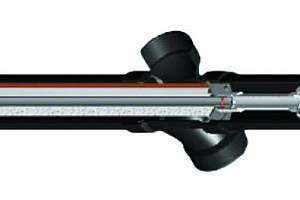
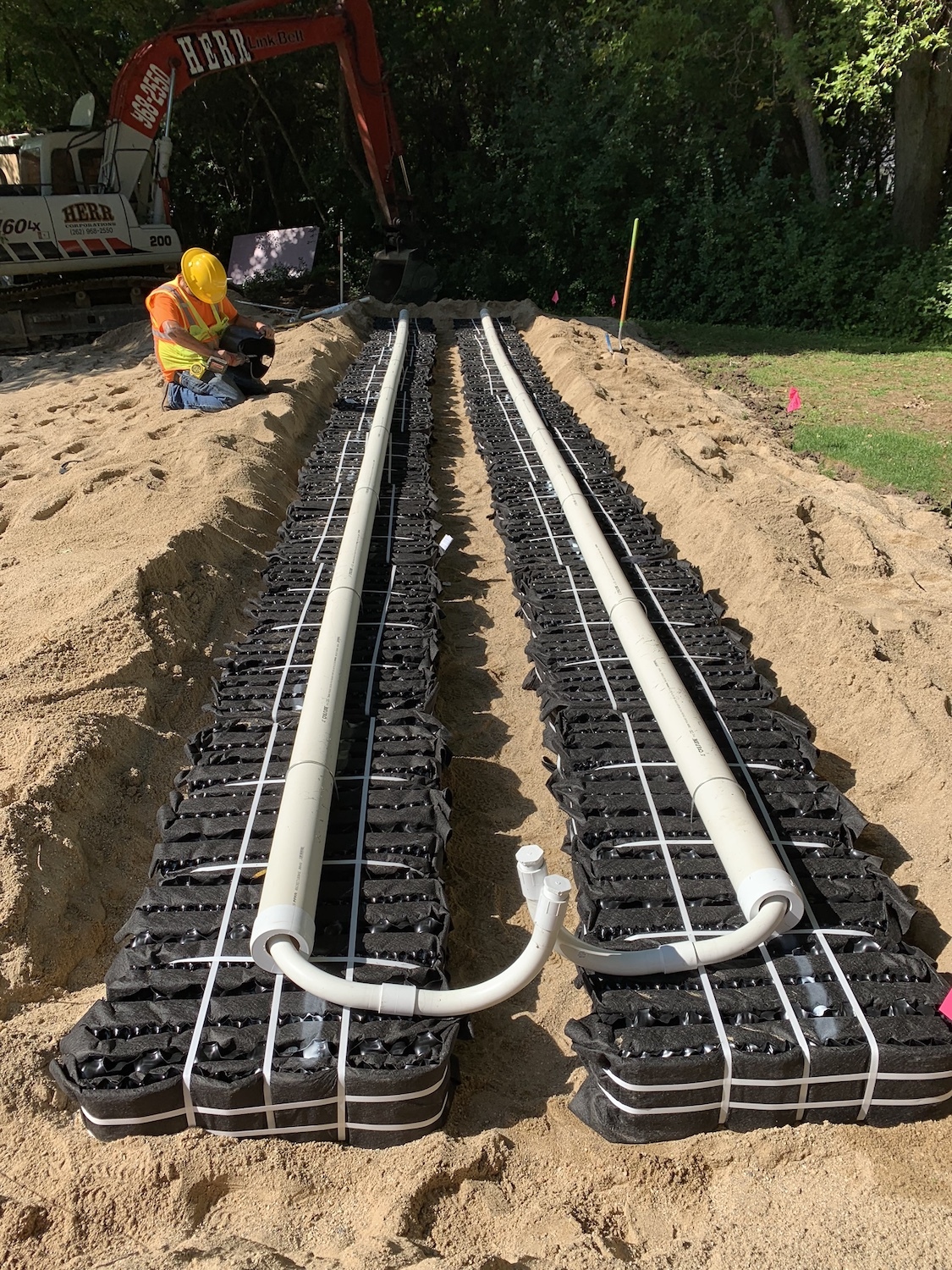
Two systems that have been in use for quite a while that allow a smaller footprint (at least in Wisconsin) are the Infiltrator chambers and EZ-Flow units. Both provide significant downsizing over typical system footprints.
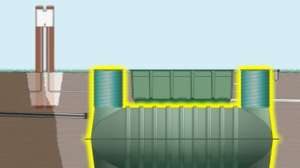
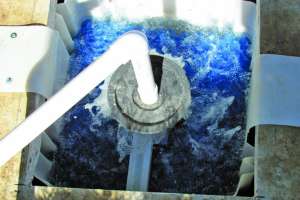
In Wisconsin, some pretreatment units that treat wastewater to certain levels allow significant downsizing. Until now most of these systems were the blower type systems, some with blowers and fixed media. The blowers add a steady stream of oxygen to the wastewater, helping change the chemistry from anaerobic to aerobic. The aerobic bacteria do a much more thorough job of reducing the BOD, TSS, fecal coliform and other contaminants in the wastewater.
Some of these types of systems include the BioMicrobics MicroFAST system, Delta ECOPOD (Infiltrator Water Technologies), Multi-Flo (Consolidated Treatment Systems) and many other systems.
Newer systems that, in Wisconsin at least, allow downsizing are the GeoMat (Geomatrix Systems) and Eljen GSF (geotextile sand filter) systems. These systems combined with a sand mound allow significant downsizing of system footprints here in Wisconsin.
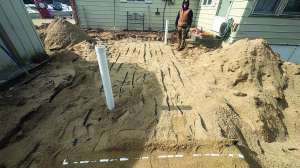
A “Mound in a Box” (also by Eljen) allows a mound to fit without the structural upslope and end toes, thereby fitting the mound into an area a typical mound would not fit.
The ability to use drip irrigation in some areas (typically with pretreatment) allows unique designs and installation in areas where traditional systems would not fit.
In Wisconsin, another option we have for tight lots is the use of easements to place an onsite system off the lot on another parcel. An easement is a legal document recorded on the deed that allows off-lot systems, placing the system on someone else’s lot. Of course that person has to agree and grant the easement. They don’t lose ownership of the land. Whether someone is charged for the easement or not is negotiable between the two parties.
Systems have gotten smaller and smaller, with so many options available now to gain that additional room where you didn’t have it before. I heard this question asked recently by a speaker at a continuing education class: Is downsizing really a good thing? Should we be making systems smaller?
My opinion is that all systems should be sized appropriately for safe treatment of the wastewater to ensure our groundwater and human safety and health are protected. That’s what our licenses are for. So in most cases, you’ll have "full-size" systems. But these smaller systems serve a need on smaller lots where a holding tank or an unbuildable situation would be the only other option. Obviously there are some lots that cannot and should not be built on. Where the smaller systems can safely be installed and provide the same level of protection as a larger system, the reduced-size systems serve a purpose. But they serve a purpose only as long as the underlying engineering (rigorous soil test, design) and proper installation have all been thoroughly performed and inspected.
The other key element is system maintenance and system follow-up.
Back when these systems were experimental, they required ongoing monitoring to make sure the system was functioning properly and meeting the requirements set forth in the initial design proposal. These maintenance requirements were as frequent as every six months for some systems. Even after they were no longer considered experimental in Wisconsin, annual inspections were required for some of these systems. Over time these inspections start to be less frequent. Often by the time the house sells four times, the newest residents don’t even know of the maintenance requirements.
I still go back and analyze some of these systems that I installed over 30 years ago; most are still doing remarkably well. Downsizing systems is an excellent tool installers have to better meet customer needs.
But every step of the way, from detailed soil and site analysis to proper design, installation and maintenance are all crucial factors to the success of any system. And like all systems, they should have routine maintenance and inspections to assure that once installed, they continue to work safely as intended.
About the author
Todd Stair is vice president of Herr Construction, Inc., with 34 years’ experience designing, installing, repairing, replacing and evaluating septic and mound systems in southeast Wisconsin. He is the author of The Book on Septics and Mounds and a former president of the Wisconsin Onsite Water Recycling Association.
Continue reading for free