
When a drainfield fails, the results can be messy and costly for homeowners, but for installers, it’s an opportunity to showcase expertise. Troubleshooting a failing drainfield requires a methodical approach to pinpoint the root cause and offer the right solution.
The first step is a thorough inspection. Look for common signs like ponding water, sewage odors, or slow-draining fixtures in the home. Check the tank for overflows or backups, which could indicate a system overload or improper sizing.
Next, evaluate soil conditions. Poor soil drainage or compaction can lead to water not percolating properly. In some cases, installing a curtain drain or addressing landscape grading may alleviate the issue.
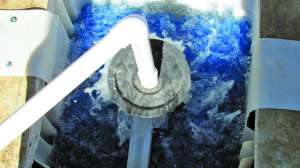
Another key area to inspect is the distribution system. If distribution boxes or piping are clogged or damaged, wastewater won’t be evenly dispersed across the drainfield, leading to localized failure.
Finally, check for any external factors that could be contributing to the problem. Excessive water usage in the home, nearby tree roots, or even vehicle traffic over the drainfield can all cause system stress.
By systematically troubleshooting each aspect of the drainfield, installers can offer targeted repairs and prevent future failures, keeping homeowners happy and systems running smoothly.