My wife and I sold our first home in 2019 during the onset of the COVID pandemic. It was a straightforward and routine sale. An offer came in, we accepted and the real estate agent walked us through the process of getting a home and septic inspection.
The reason we were selling was because I accepted a job here at COLE Publishing and would be moving back to northern Wisconsin. Given my new position at a company all about environmental services, I was eager to chat with the septic inspector when he showed up.
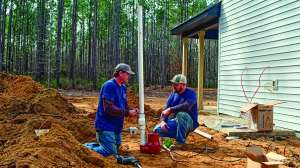
I stood over his shoulder and asked questions the whole time he was trying to work and he never once showed signs of being annoyed. He cheerfully answered my questions and talked about what he was looking for and why. I learned a lot about my septic system and the condition of the concrete holding tank in a short time thanks to his willingness to share. Beyond that, I asked him about his career and found out he did a lot of inspections and was involved in a lot of installations when he was younger.
Market Swings
It’s no secret the housing market has been a bit of a mess for a while now, but during the beginning of the pandemic, it was a different story. There were low interest rates and a lack of new construction. Many people at the time looked to buy homes because of remote work options and the low rates. For those in a position to buy, they could and did.
Following the pandemic, interest rates increased to numbers we haven’t seen since the year 2000, and the average costs of houses skyrocketed. A seller’s dream, and a buyer’s nightmare. The result of all of this is an extremely competitive housing market.
What It Means
How does this affect you? Because a consequence of a highly competitive market is more people skipping inspections upon purchase. They do this to beat out other bidders or save costs. According to marketplace.org, the peak of this was in June of 2022, when 30% of homebuyers waived the inspection contingency.
Waiving inspections can obviously lead to much bigger costs down the road for the buyer. A close friend of mine recently bought a home and waived the septic inspection, only to find out in the spring that there is a large patch of aggressive and invasive Japanese knotweed growing on the drainfield and near his tanks. This plant’s roots are known for growing through the foundations of homes, so there could already potentially be substantial damage that could have been used to negotiate the home sale, or perhaps could have been fixed by the seller.
Solutions?
I won’t waste your time and tell you why septic inspections are important. As the ones performing the maintenance and repairs on these systems, you know firsthand the consequences of not identifying and addressing issues or failures early on. But rather, I’ll ask if you are experiencing this in your area and how we can address this trending problem. How can we bring education to the homeowner before they are the owner of the home?
Thanks for checking this month’s issue!
Continue reading for free