
A North Carolina-based nonprofit, Water Well Trust, accepted a $3 million grant from the USDA Decentralized Water Systems program to distribute to rural homeowners. In a media release, Water Well Trust reported that the Water Systems Council will offer matching funds.
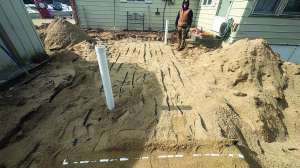
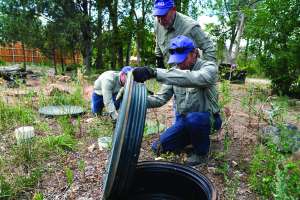
The funding will go to rural, unincorporated areas or minority communities to assist with the drilling and rehabilitation of water wells or with installing or upgrading septic systems.
To be eligible for low-interest loans or grants, homeowners must be occupants in the home and meet income qualifications. Interest rates are as low as 1%, with terms up to 20 years. Funding is limited to a maximum of $15,000 per septic system or well.
Applications are available on the Water Well Trust website.
DEP now in charge of septic permitting, inspection in north Florida
Rules governing the installation and inspection of septic systems took effect Jan. 2 for 16 counties in north Florida, multiple media outlets reported. Under the new rules, the Florida Department of Environmental Protection is now in charge of permitting and inspections, instead of the Florida Department of Health. In July, the FDEP will handle permitting and inspections for the remaining 51 counties in the state.
Wellfleet, Massachusetts, amended regulations to reduce nitrogen runoff
The Wellfleet Board of Health amended its local septic regulations to match the town’s Targeted Watershed Management Plan and to comply with state regulations to reduce nitrogen runoff, multiple media
outlets reported.
Under the new regulations, property owners with a cesspool have two years to upgrade to a Title 5 septic system, one with the “best available nitrogen reducing technology.” The first properties targeted for cesspool-to-septic upgrades are those that drain into Wellfleet Harbor. In September 2023, the Massachusetts Department of Environmental Protection agency declared Wellfleet Harbor a natural resource nitrogen sensitive area.
The septic regulations also require property owners to upgrade their septic systems when they sell their properties, expand their living space, increase septic flow or experience a septic failure. Some forms of new construction also are subject to the regulations.
Michigan program offers financing, loans for system replacement
Michigan homeowners can apply for low-interest loans to repair or replace failing septic systems, Michigan Saves reported. The state’s new Septic Replacement Loan Program offers income-based financing (tier one) and market-based loans (tier two) to homeowners with failing or near-failing septic systems. Loan terms, rates and amount of the loans vary. The Michigan Department of Environment, Great Lakes, and Energy contracts with Michigan Saves to develop and manage the Septic Replacement Loan Program.
New Hampshire town onsite inspection, pumping regulations now in effect
New septic regulations took effect Jan. 1 in Springfield, New Hampshire, reported The Valley News. The new regulations require septic pumping and inspection every three years for properties located in a wetland buffer zone around the McDaniels Marsh or within 250 feet of eight protected bodies of water in the town. Springfield follows other towns bordering Lake Sunapee that enacted similar regulations.
Virginia’s Fight the Flood program provides grants for system repair
Residents in King William County, Virginia, now have access to grant funding to replace or repair failing septic systems, multiple media outlets reported. The Middle Peninsula Planning District Commission is administering the funds, made available by the Virginia Department of Environmental Quality’s Septic Local Partner Program.
Property owners with an income at or below $93,866 may be eligible for grants. The grants are generally limited to $40,000 per project and are available on a first-come, first-served basis. To determine eligibility, residents can visit the commission’s Fight the Flood program website.
Washington county extends onsite inspection requirements if homeowners attend class
In response to residents’ requests, the Tacoma-Pierce County Health Department in Washington is extending the traditional three-year inspection requirement to five years for Pierce County homeowners who attend a special class. The Tacoma-Pierce County Director of Public Health explained the waiver program in an article published in the Key Peninsula News.
To qualify for the waiver, homeowners must attend a class to learn about their septic system. Residents living near waterways may not qualify for the extension.
The article also noted that the health department offers financial assistance to low-income homeowners for septic inspections, pumping, repairs, and riser installation. For more information, visit the Tacoma-Pierce County Health Department website.
Grants help replace failing systems in Catskill Watershed
In January, the Catskill Watershed Corporation Board of Directors approved grant funding for 22 property owners in 15 towns, reported the Mountain Eagle. The grants were authorized under the Septic Repair and Replacement Program for properties in Delaware, Greene and Ulster counties. These funds help property owners cover the cost of replacing failing or near-failing septic systems. Since 1997, the program has assisted with the repair of over 7,000 septic systems.
Continue reading for free