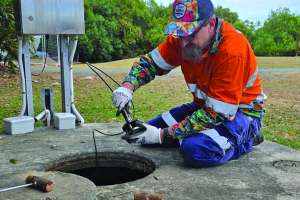

System restores treatment for 700-home community
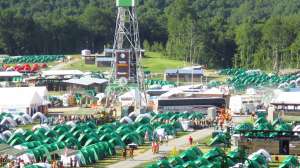
Problem: In the quiet town just outside Nashville, Tennessee, a residential development of nearly 700 homes faced a critical challenge — its existing recirculating gravel filter wastewater system had failed. The immediate need was to treat 120,000 gpd, with flexibility for future expansion as the community continued to grow.
Solution: The BioMicrobics MyFAST 12.0 system was selected for its modular design and proven performance. Capable of handling flows from 10,000 to 160,000 gpd — and scalable up to 2 million gpd — it provided a robust, long-term solution. It is a high-capacity fixed activated sludge treatment system designed for decentralized wastewater treatment. It efficiently breaks down organic matter and nutrients in challenging environments. It is ideal for multifamily communities, clustered subdivisions, small municipalities and high-strength commercial applications. It offers ease of installation, low life cycle costs and reliable performance in variable flow conditions — making it an ideal fit for developments like this one.
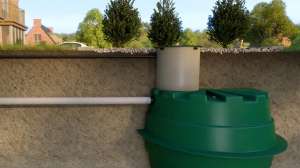
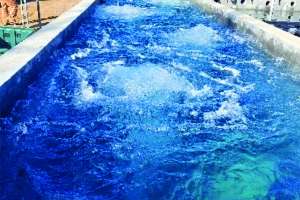
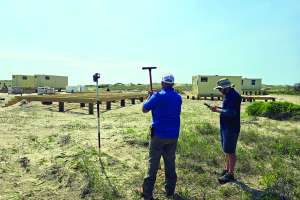
Result: The system was installed with a poured concrete tank partially set in the ground, with a decorative building planned but not yet built above to maintain neighborhood aesthetics. Treated effluent is discharged into a large drip irrigation field, supporting sustainable water reuse. 800-753-3278; www.biomicrobics.com
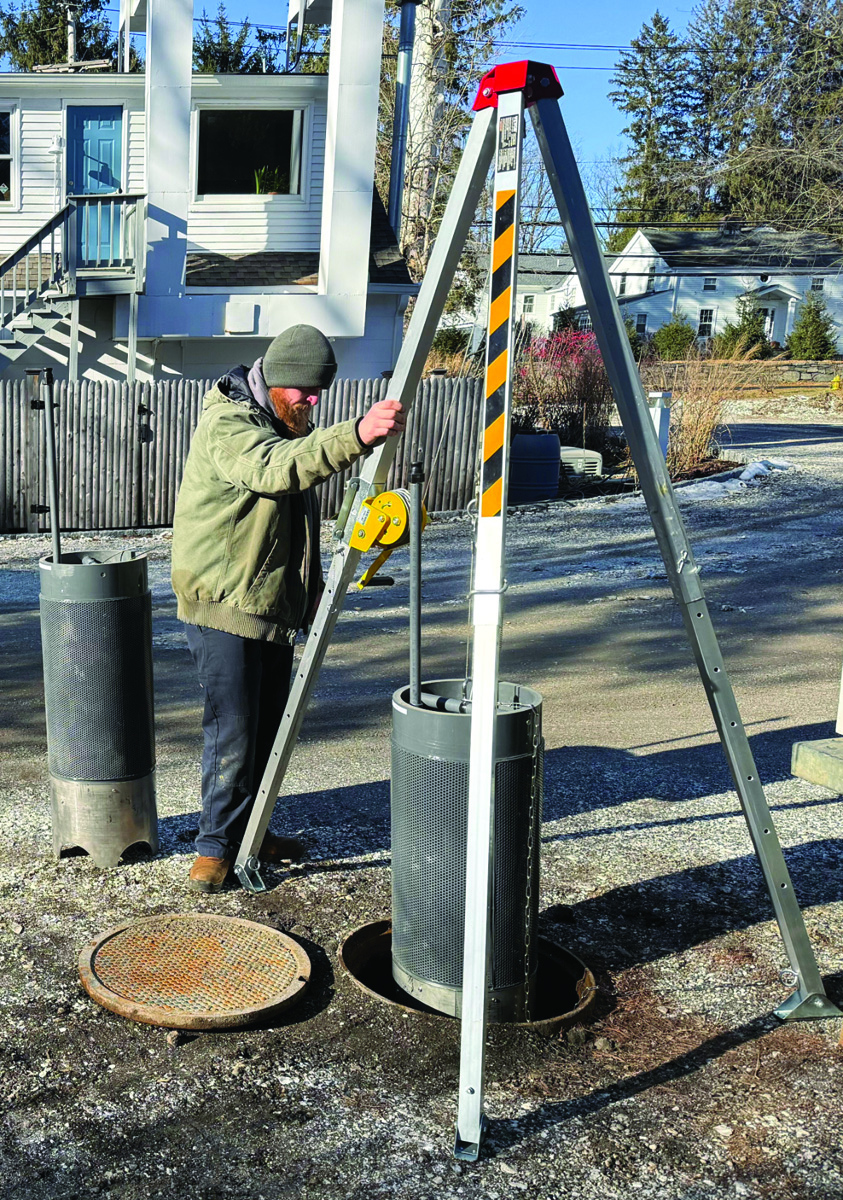
Restaurant FOG and blackwater treated with aerobic microorganisms
Problem: A prominent restaurant in upstate New York had major odor issues from its onsite wastewater treatment system, as well as significant plugging at its leachfield. The existing onsite treatment system consisted of one 1,500-gallon grease interceptor and one 2,000-gallon septic tank discharging to a leachfield under the parking lot. The owners of this facility wanted to reduce their pumping requirement, minimize odor issues and rejuvenate their leachfield, which during peak use would often pool and runoff onto the neighbor’s property.
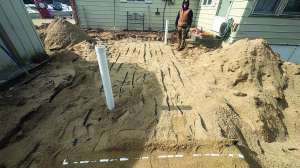
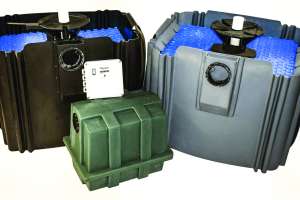
Solution: IMET installed two aerobic biological IGM grease modules directly into the grease interceptor to pretreat the grease interceptor waterbody before gravity overflows to the septic system. Three IMET Treatment Modules were installed in the septic tank to deliver complete treatment of the wastewater. The treated effluent was then discharged to the downstream leachfield where aerobic microorganisms began rejuvenating the plugged leachfield.
Result: The aerobic system eliminated the hydrogen sulfide odors in the tanks to negligible levels, pretreating the FOG in the grease interceptor and completing treatment in the septic system. With the system installed, the need for biosolids pumping in the grease interceptor and septic tank was also eliminated. In the four months since installation, the leachfield showed significant signs of improvement. 440-799-3135; www.imet.net
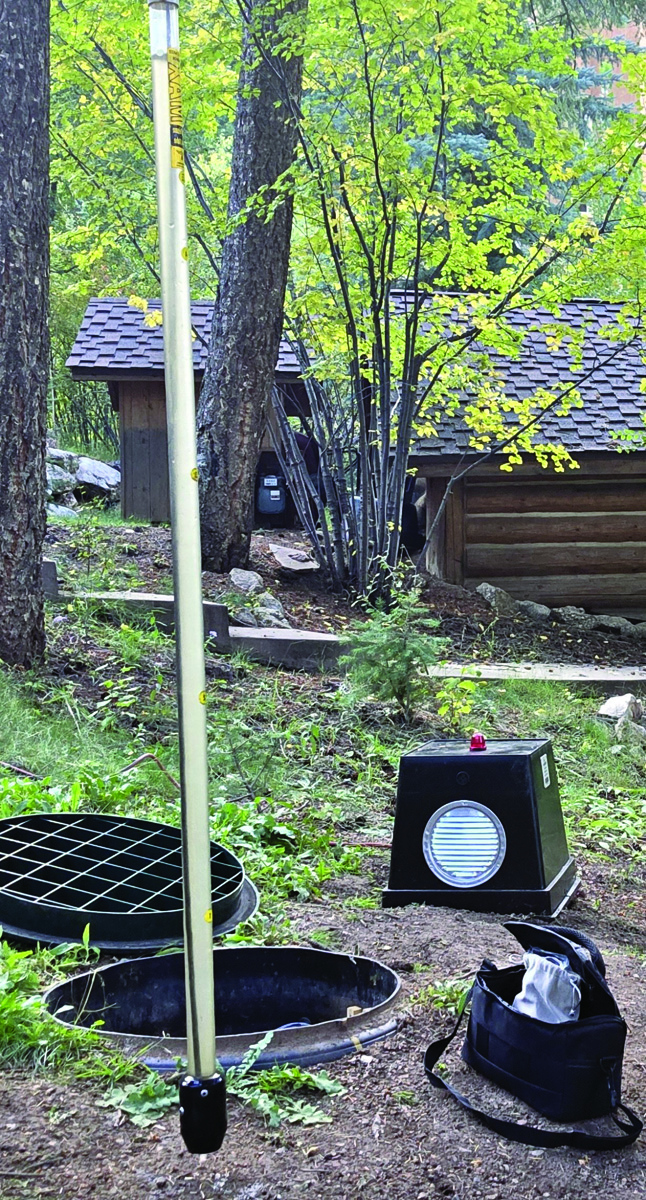
Suspended biofilm generator a fit for property with failing cesspool
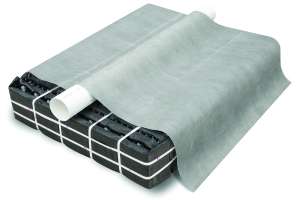
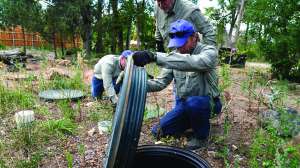
Problem: A single-family residence in Green Mountain Falls, Colorado, built in 1912, was experiencing chronic cesspool failure conditions that required pumping every two to two-and-one-half weeks to prevent surface discharge. The home, occupied by four adults, utilized a hand-built 1988 cinder block cesspool measuring approximately 6 feet in diameter by 7 feet deep. The structure included horizontally placed block openings and a cracked concrete lid. According to contractor Tim Galvin of Underground Solutions, replacement options were limited because the property did not have sufficient space to install a new onsite wastewater treatment system.
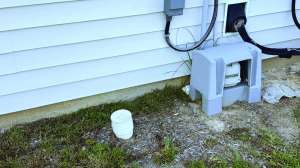
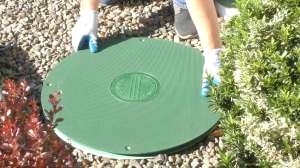
Solution: On Sept. 20, 2025, a RioVation BioMaze BM2624 Suspended Biofilm Generator was installed through an access port in a newly constructed cesspool lid. The homeowner began recording morning and evening liquid depth measurements following installation. The BioMaze system introduces oxygen into the wastewater stream and promotes aerobic biological activity within the cesspool. The increased aerobic activity assists in reducing organic loading, sludge accumulation and biomat formation that can contribute to poor infiltration and hydraulic failure conditions in onsite systems.
Result: Within one month, BOD and TSS levels had been reduced by more than 80%. Since installation, the cesspool has generally maintained a stable operating depth between 5 and 6 feet, and no routine pumping has been required. One pumping event occurred the week before Thanksgiving, likely due to a temporary biological upset from a cleaning product; however, the previous pattern of multiple monthly pumpouts did not resume. The homeowner reported that savings from avoided pumping costs have already offset the cost of the BioMaze installation. 352-228-4488; www.riovation.com
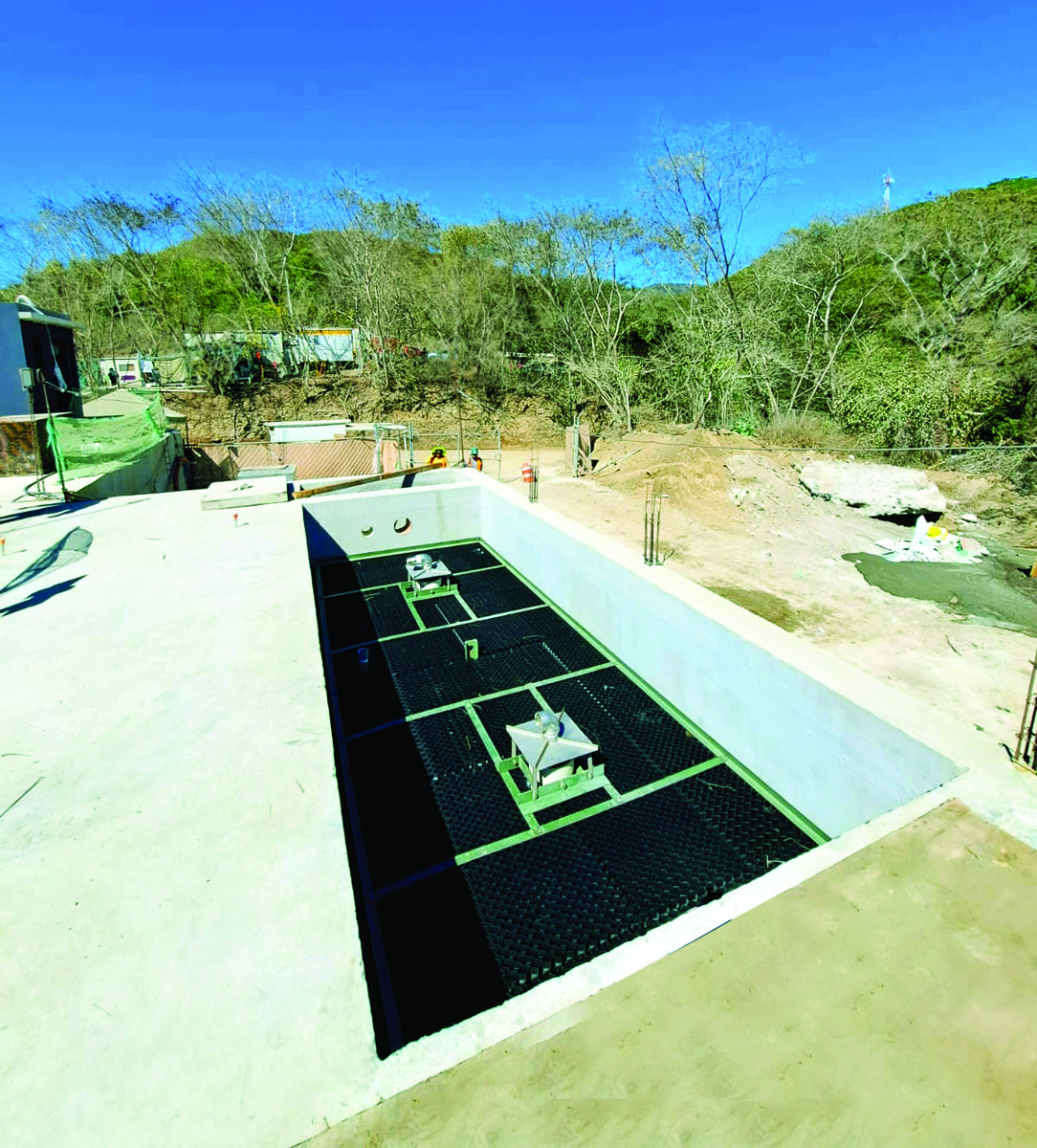
Discrete treatment designed for luxury development
Problem: A prominent 110-acre luxury development in Punta de Mita, Mexico — home to high-end estates, a five-star hotel and world-class spas — faced a complex wastewater challenge. The system needed to accommodate a three-phase buildout while maintaining the pristine aesthetics of the tropical grounds. Furthermore, the solution had to handle highly variable seasonal flows from guests while operating with minimal oversight and staying completely out of sight.
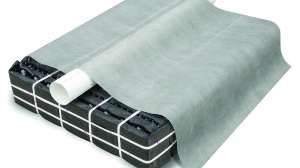
Solution: The developers selected the Smith & Loveless S&L Modular FAST (fixed activated sludge treatment) process. This aerobic, fixed-biofilm system was installed below-grade in compact 16-by-8-foot basins. Following a two-stage septic tank for primary solids separation, the wastewater enters the unit. Here, bacteria attach to submerged media with a high surface-area-to-volume ratio. This stable environment creates a longer sludge age than conventional systems and eliminates the need for managing return activated sludge. The self-regulating process naturally handles flow fluctuations, has no filters to clean and utilizes only one moving part: a remote air blower.
Result: The system consistently delivers high-quality effluent, meeting all environmental requirements with BOD levels frequently more than 10 mg/L. The modular approach allowed the resort to scale its infrastructure in 26,000 gpd increments as the development grew. Operators benefit from the low-maintenance design while the “out of sight, out of mind” underground installation ensures guests enjoy the resort’s natural beauty without the intrusion of visible or audible utility infrastructure. 800-898-9122; www.smithandloveless.com
Continue reading for free