
Solving drainfield failure caused by FOG
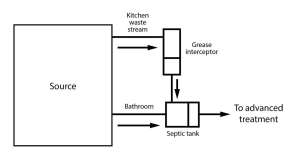
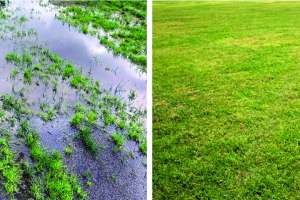
Problem: A Midwestern homeowner began experiencing classic signs of septic system failure — slow-draining fixtures, sewage odors outdoors and soggy soil above the drainfield. The septic tank had recently been pumped, yet the issues continued. Upon inspection, the septic contractor determined the problem was not the tank — it was the drainfield clogged with FOG. Replacing a failed drainfield can cost $10,000 to $25,000, so the contractor searched for a solution that could restore the soil’s ability to absorb wastewater.
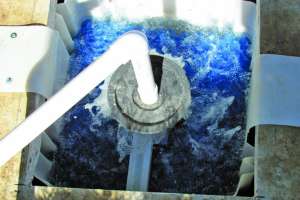
Solution: The contractor treated the system using AfterShock Drainfield Treatment from Cape Cod Biochemical, applying the product through the distribution box to reach the affected soil absorption area. The product contains a consortium of grease-digesting bacteria combined with an oxidizer. The oxidizer works first to break apart and loosen the FOG coating the soil particles while the bacteria then digest the remaining FOG. This two-step action helps restore permeability in clogged soil absorption areas.
Result: Within 24 to 48 hours, the soil absorption area began to show signs of recovery. Standing water above the drainfield started to disappear, and the strong sewage odors subsided. As the oxidizer broke down, the grease barrier and the bacteria continued digesting the FOG buildup, and the soil regained its ability to absorb wastewater. Normal drainage was restored to the home, allowing the system to function properly again without the need for costly excavation or drainfield replacement. 800-343-8007; www.septiconline.com

Technology restores failing leachfield without replacement
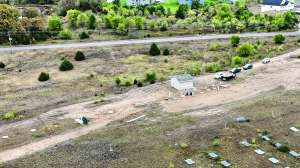
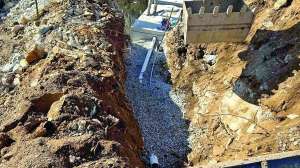
Problem: A homeowner in Maine was experiencing a failing leachfield due to soil plugging that had reduced the soil’s ability to accept wastewater. As a result, wastewater surfaced across the drainfield, creating ponding that prevented use and maintenance of the property including routine lawn mowing. The homeowner was presented with two conventional repair options — excavate and replace the existing leachfield or construct a new leachfield with an associated pump station. Both alternatives were estimated to cost approximately $20,000. Seeking a more economical and less disruptive approach, the homeowner explored a technology capable of rehabilitating the existing leachfield rather than replacing it.
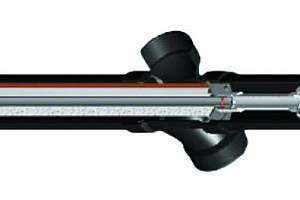
Solution: Dunbar & Brawn Construction installed the IMET Aerobic Biological Remediation System to rehabilitate the onsite wastewater treatment system. Installation required no excavation of the drainfield. An IMET Remediation Module was installed directly into the septic tank and connected to an energy-efficient quiet air compressor. The system transformed the septic tank into a highly aerobic biological treatment process, substantially improving wastewater quality before it entered the leachfield. The highly treated aerobic effluent also seeds the drainfield with aerobic microorganisms, helping maintain the soil’s ability to accept treated wastewater while supporting the long-term health of the leachfield.
Result: Following installation and operation of the system, the leachfield resumed accepting treated wastewater, eliminating the surface ponding. For less than half the estimated cost of conventional replacement alternatives, the homeowner restored the performance of the onsite wastewater treatment system without replacing the drainfield. 440-799-3135; www.imet.net
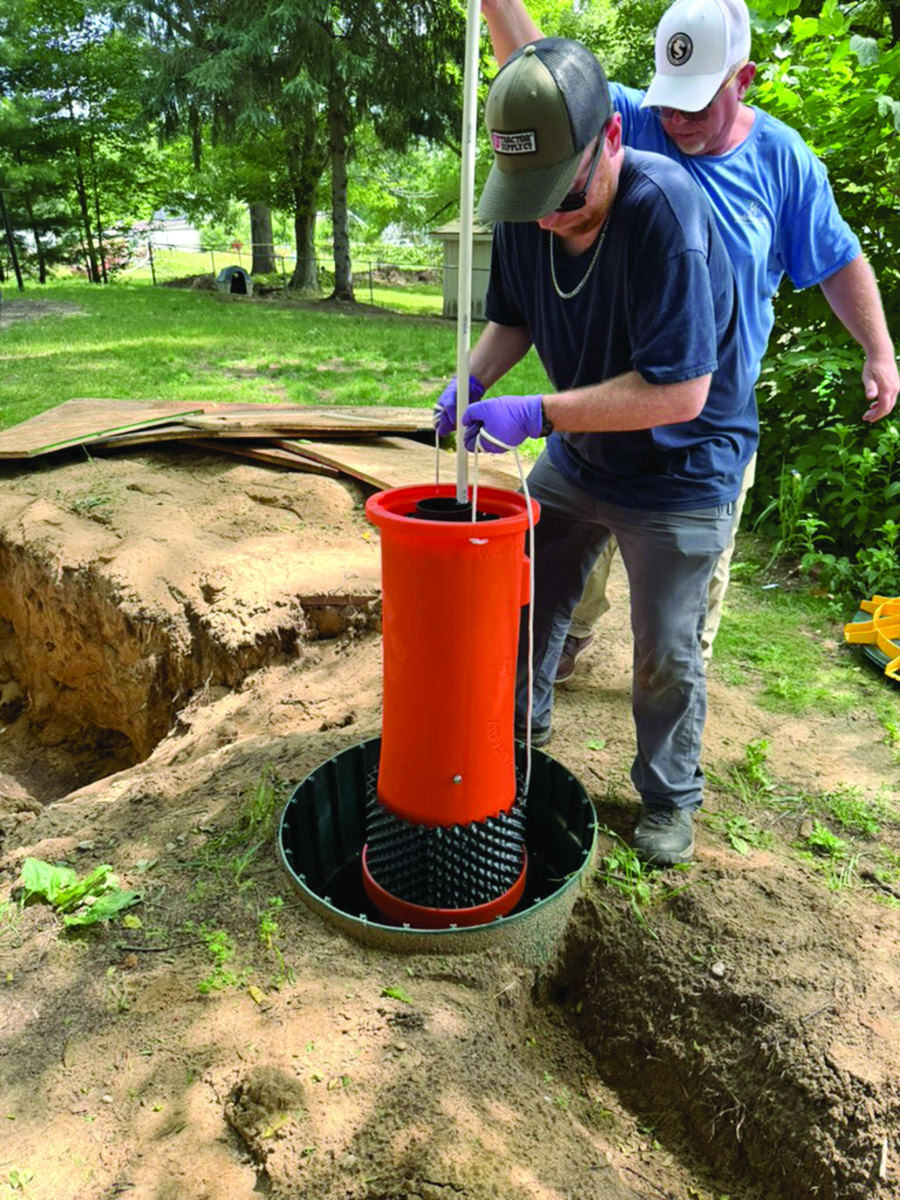
Aerobic bacterial generator helps restore system
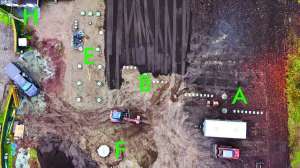
Problem: A three-bedroom residence in northern Indiana was experiencing complete disposal field failure caused by an aging, biologically compromised onsite septic system. The existing system consisted of a 1,200-gallon, single-compartment concrete septic tank discharging to a conventional soil absorption field. Wastewater was backing up into the home, creating an ongoing health concern and forcing the homeowner to pump the septic tank every two weeks simply to maintain system capacity. Replacing the disposal field would have required significant excavation, property disturbance, major landscape disruption and expense. A cost-effective solution was needed to restore the existing system while complying with IDOH wastewater regulations.
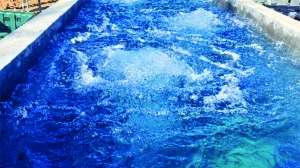
Solution: SludgeHammer evaluated the site and confirmed it qualified for biological remediation under Indiana Department of Health regulations. The disposal field laterals were hydrojetted, the distribution box was repaired to ensure balanced flow, and the septic tank was pumped in preparation for the restoration process. An S-86 Aerobic Bacterial Generator, certified under the IAPMO Uniform Plumbing Code, was then installed inside the existing septic tank. The fixed-film bioreactor continuously cultivates aerobic bacteria, significantly reducing organic loading while improving effluent quality before discharge to the soil absorption field.
Result: The disposal field recovered in less than 15 days, eliminating wastewater backups and the need for biweekly emergency pumping. Independent third-party effluent sampling measured 7 mg/L BOD, 3 mg/L TSS and 14 mg/L total nitrogen, confirming exceptional biological treatment performance. Rather than replacing the onsite system, the homeowner restored full functionality through a rigorously tested and certified biological remediation process that extended the service life of the existing infrastructure while avoiding the substantial cost and disruption of drainfield replacement. 231-348-5866; www.sludgehammer.net
Continue reading for free