
Applying the term “well” to an onsite wastewater treatment system is confusing to some as we generally think of this term to describe a bored hole where water is taken out of.
In the case of Class V wells, it refers to an injection well, which is a subsurface fluid distribution system used to discharge fluids underground. The EPA regulates underground injection wells into six distinct classes (I through VI) to protect drinking water sources. Classes distinguish municipal refuse, brine, mining solutions, shallow nonhazardous fluids and carbon dioxide sequestration, respectively.
The most common Class V wells are receiving wastewater from stormwater, agricultural drainage and the soil treatment area of the OWTS. These wells are regulated under the Underground Injection Control program. Not all OWTS are concerned with Class V wells — just those serving commercial establishments or more than 20 persons per day.
Onsite wastewater treatment systems are designed to treat residential wastewater and some types of commercial wastewater. Schools, churches and restaurants typically produce wastewater like residential wastewater, though it may be more concentrated because these facilities have less bathing and laundry use and more food-service activity.
These sources can generally be treated by an OWTS; however, some industrial wastewater may contain contaminants the system cannot effectively treat. Class V wells are a concern because they may pose a risk to underground sources of drinking water. The risk a Class V well may present depends on factors such as the type of fluid(s) received, its location in relation to water supply sources, its construction, maintenance and local geology.
Not allowed
Two types of wells were banned in 2000 due to high risk to groundwater:
Newly constructed wells receiving waste from automotive service stations, auto body shops, car dealerships, car washes and light airplane or boat maintenance facilities.
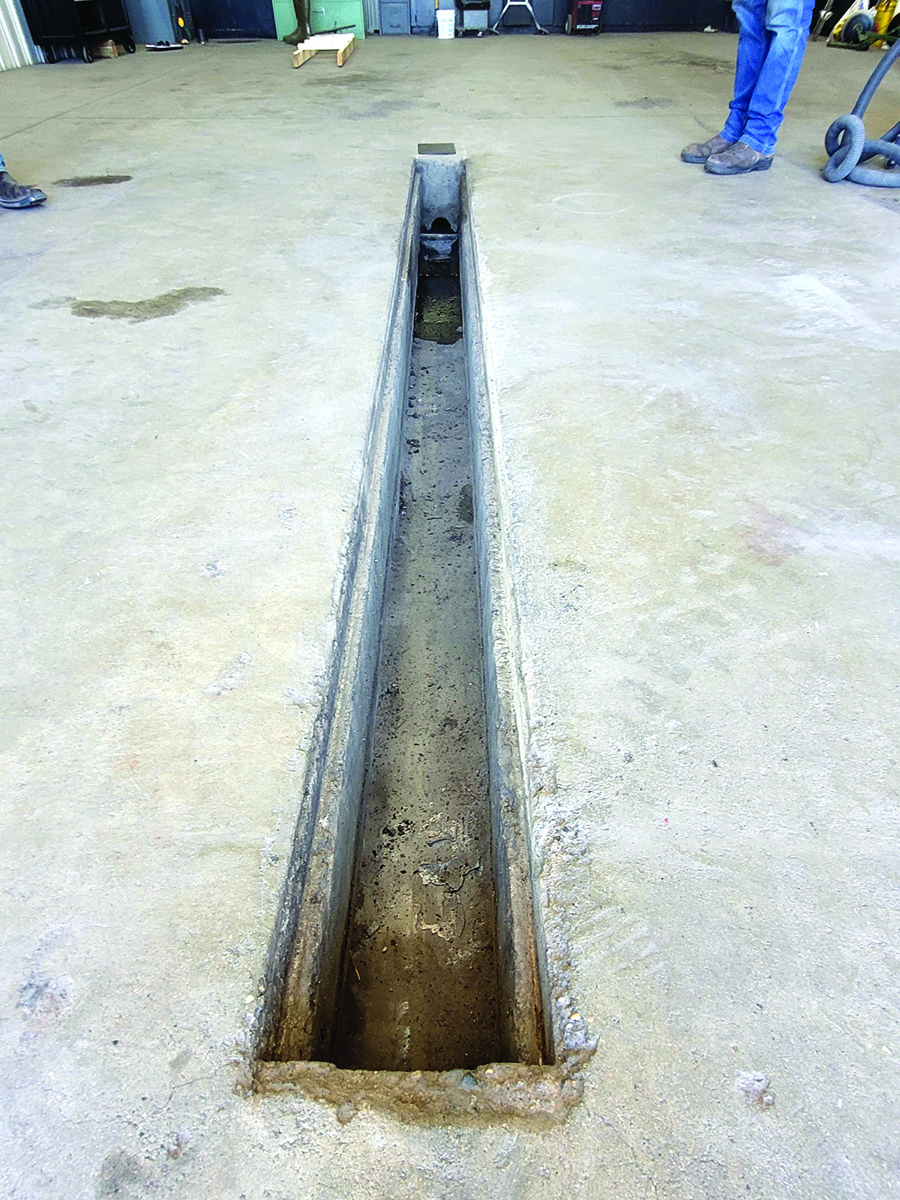
These may not look like a well and include shallow waste disposal systems (dry well, cesspool, septic system, French drain, etc.) that receive or have received fluids from vehicular repair or maintenance activities. The concern is fluids like used motor oil, antifreeze, brake fluid and degreasers impacting an aquifer. Existing wells built before 2000 are banned in groundwater protection areas and operators must either close them down permanently or apply for an explicit waiver and individual permit. Connecting floor drains to a municipal sanitary sewer or an enclosed holding tank avoids the ban entirely.
Large capacity cesspools were banned and were forced to close by 2005. A cesspool is typically a dry well with an open bottom and/or perforated sides that receives untreated sanitary waste. A large-capacity cesspool is defined as a multiple-dwelling, community or regional cesspool, or a business cesspool that serves 20 or more people per day.
New builds
While most Class V shallow injection wells are permitted automatically via “authorization by rule,” the EPA enforces strict, nationwide bans on specific Class V wells to prevent severe contamination of underground sources of drinking water.
If a new Class V is being constructed, the owner or operator must submit inventory information about the well to the UIC program. The challenge is that most owners of large onsite systems do not know they are considered a Class V well and will need to be notified by the designer/engineer or regulatory authority.
The information needed varies by state. In general, the following basic information is required:
- Name and location of the facility
- Name and address of a legal contact
- Owner of the property
- Nature and type of injection well(s)
- Operating status of injection well(s)
To determine what form is needed and where it should be submitted, see the EPA website: epa.gov/uic/federal-requirements-class-v-wells.
Awareness and evaluation
Homes with businesses and commercial properties using toxic and potentially hazardous waste should evaluate the products they are using to limit the impact to groundwater. Hair salons, photography businesses and taxidermists, for example, may generate hazardous waste.
One recent example of how an OWTS could impact groundwater through a Class V well is from New Hampshire. In 2024 a study was published regarding PFAS contamination from commercial carpet cleaning, floor cleaning, floor stripping and refinishing activities.
Through ongoing sampling investigations, the Department of Environmental Services has found wastewater generated from commercial carpet cleaning can contain PFAS at levels up to 130,000 parts per trillion, which is 6,500 times higher than the state’s drinking water standard. PFAS levels are even higher in wastewater derived from floor stripping and refinishing, reaching nearly 230,000 ppt. These numbers are in sharp contrast to the drinking water standard in New Hampshire, which ranges from 11-18 ppt.
With known sources of contaminants that pose a risk to groundwater, owners should consider modifying their disposal of these sources to an OWTS by eliminating or reducing the usage or containerizing wastewater and arranging for pickup by a licensed hauler.
Continue reading for free