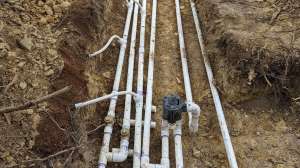
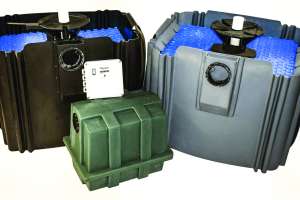
When a property served by a septic system experiences a fire, it's crucial for pumpers and installers to take specific actions to...
Onsite Installer Bytes
Displaying results 39-57 of 60
Bytes
Innovative Solutions for Soil Stabilization
In the world of excavation, particularly when dealing with septic tanks and systems, soil stabilization is a critical factor that impacts the...
Bytes
Training and Certification for Excavation Professionals
Excavation professionals play a vital role in construction and infrastructure projects, requiring specialized skills and knowledge to ensure safety, efficiency, and compliance...
Bytes
The Environmental Impact of Excavation for Septic Installations
Excavation for septic system installations can significantly impact the environment. Proper planning and execution are essential to minimize soil erosion, water contamination,...
Bytes
Choosing Between Anaerobic and Aerobic Septic Systems: Costs and Efficiency Considerations
For pumpers, onsite installers, and other professionals in the septic system industry, the choice between anaerobic and aerobic septic systems often hinges...
Bytes
Educating Customers on Septic System Installation and Maintenance
Understanding Installation Costs
When discussing septic system installations with your clients, it’s essential to clarify the factors influencing costs. From the type of...
Bytes
Is There a Limit to How Many Homes a Cluster Septic Systems Can Service?
When it comes to cluster septic systems, there isn’t a one-size-fits-all answer for how many homes they can service. The capacity depends...
Bytes
Septic Systems and the Environment: Balancing Benefits and Risks
Septic systems play a significant role in managing household wastewater, impacting the environment both positively and negatively. When properly designed, installed and...
Bytes
How Many Homes Can Operate on a Single Cluster Septic System?
In modern society, septic systems and sewers are essential for maintaining a healthy environment and preventing the spread of disease. Among the...
Bytes
Soil Types: A Crucial Consideration in the Septic Industry
For professionals in the septic industry, understanding soil types is crucial for ensuring optimal drainage and preventing subsidence around homes. Efficient drainage...
Bytes
Septic Tanks: How Long Can They Last?
Septic tanks, when properly maintained, can last between 20 to 40 years, and sometimes even longer. Regular maintenance, such as professional pumpings...
Bytes
Educating Customers on Septic vs. Sewer
As professionals in the waste management industry, you know the debate between septic and sewer systems is crucial for sustainable waste management....
Bytes
Growth in the US Excavation Contractors Industry
The U.S. excavation contractors industry has seen steady growth, with the number of businesses rising by 1.1% annually over the past five...
Bytes
Excavation Contractors Discover Growth Amidst Construction Uptick
The excavation contractor industry has been steadily growing, with revenue increasing at a 0.9% annual rate over the past five years, reaching...
Bytes
Digging, Excavating and Trenching, Oh My!
Excavation and digging, often used interchangeably, actually have distinct differences. Excavation involves the removal of soil to create holes, trenches or cavities...
Bytes
Hawaii's Cesspool Conundrum: A Silent Threat to Paradise
Hawaii is the state with the most cesspools per capita in the country. It is known for its stunning landscapes and pristine...
Bytes
Digging Deeper: States Leading the Excavation Contractors Industry
In the bustling landscape of excavation contractors, certain states stand out as the hubs of activity. California, Texas and Pennsylvania are the...
Bytes
Dominic With @PoorPumperSociety Shares DIY Dilemma
Entry 424835In this video, watch as Dominic with @poorpumpersociety works on a DIY septic system. The homeowner has never had the tank pumped and...
Bytes
Why Vermont Leads in Home Septic Systems
Over 20% of households rely on septic systems, yet their abundance varies across states. Why? Let’s take a closer look at why...