Well beat the drum, and hold the phone
The sun came out today
We’re born again,
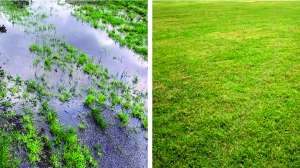
There’s new grass on the field
I can’t hear those words on the radio (from the John Fogerty song, “Centerfield,”) without recalling my home neighborhood and the first game of a new season at the old ball diamond.
We played in a vacant lot behind the local tavern. I still remember the day the big guys dug logs into the ground so that the cut ends stuck up just an inch or two and served as bases. Before the first season was done, our baserunning had worn sand pits around those logs.
This was no pristine field. An old factory building stood in straightaway center. The white crushed-gravel driveway that ran past it served as the home run marker. Deep right field was cut off by a hill leading down into a wooded swamp; a ball hit into there was a triple.
In deep left field the tavern owners had the audacity to plant a garden — a shot that landed there was a ground-rule double, because the fielder had to step over the wire and tiptoe in to fetch the ball without trampling the vegetables. An apple tree in shallow left made pop flies interesting. In other words, we had a pretty typical sandlot ball yard.
Springs eternal
Among the best days of the year was the one (usually in mid-April) when, after school, we met at the field and found at most one or two heaps of snow remaining. Those we could play around. A new season had arrived.
For installers in the snowbelt, a new season is on the way. The economy is still in the tank, housing starts are still slow, and in many regions, times are about as tough as anyone can remember. Still, you can feel hopeful on seeing those first shoots of new grass. That is, you can if you make up your mind to.
It’s hard to be optimistic when the immediate future looks anywhere from difficult to bleak. Maybe you’re riding out the storm just fine, busy as you’ve ever been. If so, great! But if you’re not — or even if you are — it’s worth remembering a basic rule about competition:
The time to gain the most ground is when the other guy stands still.
And that’s what a lot of businesses do when times get difficult — stand still. They stop investing in training. Stop buying new equipment. Quit advertising. They try to hunker down until the storm is over. They pull their car into the pits and take themselves out of the race.
Keeping on
Now, what about you? If you’ve run your business wisely, you’ve laid aside some funds for lean months or years. Now business is slower. Revenue is down. That’s the bad news. The good news is that you may have more of a very precious commodity — time.
When you’re really busy, you may have trouble finding time for anything besides getting the work done and keeping the customers happy. But now, maybe there’s time for other things. Like getting trained and certified to install a brand or two of ATUs. Or developing that promotion and advertising campaign you’ve always talked about.
Like putting up a Web site (or refurbishing the one you launched five years ago but have barely touched since). Or laying out a training program for key members of your staff. Or making the rounds of local home shows. Or getting better acquainted with the regulators in the counties where you work.
Yes, you may need to beat the bushes for whatever work is still out there. But in your spare time, you want to do more than fret about how tough things are. Let your competitors do the fretting. Let them stand still.
Then, when things turn around — and in time they always do — you’ll have a big advantage. You’ll have a better trained and more versatile team. You’ll be better known in your communities. You’ll have the qualifications to tackle more jobs.
You’ll be like a hitter, standing in the batter’s box, staring down the pitcher — and looking beyond him at an empty diamond. Your opponents have taken themselves out of the game. One good swing and you’re on your way.
I bet you can smell that new grass now.
Continue reading for free