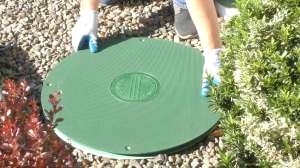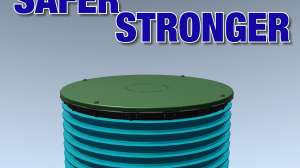
Proper controls and utilization of time-dosing systems are a great way to provide storage for peak flow events. (Photos provided by James Stiksma)

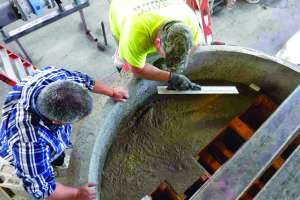
New system installation at a treatment facility that needed some big upgrades.





Proper controls and utilization of time-dosing systems are a great way to provide storage for peak flow events. (Photos provided by James Stiksma)
New system installation at a treatment facility that needed some big upgrades.
The conversion or development of homes or new facilities for the treatment of substance abuse issues has grown. In recent years, America’s addiction treatment industry has been transformed by twin forces: the opioid epidemic and the increased access to treatment programs.
Overdose deaths have risen since the early 2000s. Resources have recently provided health coverage to millions of previously uninsured Americans and required the coverage of substance abuse treatment. This combination of widespread need and broadened coverage has dramatically expanded demand for treatment and altered the recovery industry in the process. Many of these facilities are built in peri-urban or rural areas served by septic systems and can face use-related challenges.
The first challenge exists with establishing peak flow rates. These facilities can be set up to house people in residential homes, group settings or larger treatment facilities. With residential homes converted to treatment facilities, the existing septic system may not be sufficiently sized to accommodate this commercial use.
Typically, residents are in the facility 24 hours per day, seven days per week, with all food preparation and laundry done on site. In a related research study done in Minnesota, flows were found to range from 78 to 158 gallons per resident. An interesting result of this study was how consistent the daily flow was in each house. The typical use was within 20 gallons of the average, meaning the septic systems were loaded at a relatively high rate every day. For existing facilities, actual flow data should be gathered, and for new designs, a minimum of 100 gallons per resident should be considered unless food or laundry is done offsite.
For larger treatment facilities like mental health establishments, hospitals, nursing homes and other similar buildings, some regulations have specific sizing for establishing flows ranging from 100-250 gallons per day, per resident. Often employees are working around the clock and need to be added to these flow calculations. Low flow toilets and fixtures along with efficient washing machines to reduce water usage are also recommended. Leaks into the system should be promptly corrected to avoid overloading the system. The design of a new septic system serving recovery facilities would also benefit from time dosing the effluent to provide storage for peak events and more consistently load downstream components.
The next challenge related to the strength of the raw wastewater. These facilities commonly either have a commercial style kitchen or do more food preparation than normal household use.
The use or installation of garbage disposal should be strongly discouraged. Plates should be scraped into garbage or compost and fat, oil and grease should be managed to assure it does not go down the drain. Additional septic tank capacity, effluent filters and advanced pretreatment providing an aerobic environment for breakdown are design options to reduce the organic loading from the facility. The volume of laundry can also be large at these facilities which will add additional loading of soap and lint to the system. Minimizing the use of detergents and installing a lint filter are recommended.
Challenges also relate to the amount of drugs and medicines in the waste stream. Often before people enter treatment, they have gone through a period of extreme usage/binging. This results in high amounts of whatever drug they were using leaving their body in high amounts when they enter treatment.
In addition, many people going through treatment are on medication-assisted treatment which combines behavioral therapy and medications to treat substance use disorders. The MAT for alcohol commonly involves benzodiazepines and the newer drugs to assist in the detox process. MAT for opioid addiction typically involves medicine such as methadone, buprenorphine or naltrexone. Like many drugs, not all these drugs are absorbed into the body during treatment. Approximately 30% of the chemical is rapidly excreted in urine, which ends up in the wastewater.
No research has evaluated if these medications impact the treatment in septic systems, but as the load of medications to a septic system increases the risk of it impacting treatment does as well. Additional septic tank capacity, effluent filters and advanced pretreatment providing an aerobic environment for breakdown are design options to improve treatment.
There are also challenges related to cleaning products. Most of these facilities are licensed by the local or state government and inspected on a routine basis as they are health care facilities. Typical cleaning recommendations for health care facilities include the use of disinfecting products and implementation of a consistent cleaning program.
Quaternary ammonia or products that contain an ingredient containing “ammonium chloride” or “benzalkonium/benzethonium chloride” should be avoided due to its long-lasting and very strong antibacterial nature. For areas that need to be sanitized cleaning products containing hydrogen peroxide are preferred and surfaces such as floors and tables that do not touch the skin can be cleaned with normal nondisinfecting detergents.
The last challenge is that residents of the facility may not be familiar with what should and shouldn’t go down the toilet and drains when connected to a septic system. Most of these facilities send a list of what is to be brought to the facility and what is not allowed. This list should include items we do not want to see in our septic system such as sanitizing wipes, hair dyes and other harmful products. Education of the users with signs such as those developed by the EPA is essential to prevent wrappers, cigarettes, feminine hygiene products and similar challenges from entering the septic system. Including additional tank capacity and a large commercial effluent filter can provide storage and prevent these items from reaching downstream components.
Drug and alcohol treatment facilities are a unique waste stream which can create challenges when designing, installation and servicing septic systems. The owners of these facilities need to understand the impacts the usage within the facility could have on their septic system. The design of septic systems for these facilities must consider these many challenges. Management of these systems should evaluate hydraulic and organic loading, treatment effectiveness in the various treatment components and the preciseness of formal materials in the septic tank.
Continue reading for free