Why do we have to learn this? This is one of the most common questions my wife, a high school math teacher, hears.
I’ll come clean. I was a student that asked that question many times even through my college education, and usually when I was frustrated or stuck on a problem or subject that really tested me. It was a few years later that the lesson in that frustration dawned on me. It wasn’t the subject matter, it was learning to tackle something that didn’t come easily. To see a problem and solve it one way or another.
I’ve worked a few jobs now in different fields. I’ve been an entry-level technician, a manager and everything in between, and I’m a firm believer that critical-thinking skills are one of the most valuable assets employees, managers and owners can possess. The ability to rationally determine what to do in a specific situation quickly and confidently isn’t something you learn in a specific class in school — it’s something people develop in every subject and well beyond formal education.
Where it matters
I can hardly think of an occupation where critical thinking doesn’t matter. But one that relies so heavily on operating machinery and potentially hazardous sites and work conditions, installers must be able to think on their feet. As an owner or manager, it’s vital that you can make important business decisions at a moment’s notice when leading a team to carry out a plan or when the need to pivot from a plan arises.
It’s just as important for employees and operators. The ability to analyze surroundings on the spot, formulate a safe plan of execution and put those thoughts into motion without having your hand held will make you an invaluable asset for the company.
Old dog, new tricks
It’s never too late to teach or learn these skills. Training sessions that involve logical reasoning, recognizing similarities and differences, and providing practice situations that enable team members to visualize a plan and predict its likely outcome are proven to be an effective way to improve critical thinking. Put your employees in scenarios they are likely to encounter on a challenging job site and require them to come up with solutions. Not only does this build thinking skills, but it also gives employees confidence when they find themselves in those situations in the field.
Incorporate asking your employees questions that challenge them to think throughout everyday work activities. What will happen if we do this? Why did you come to that conclusion? What other options can you come up with? What should we prioritize in this situation and why?
Exhibit A
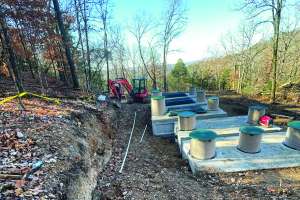
This month’s system profile story, like so many, is a perfect example of putting critical thinking skills to use in the field. Poor soils and steep slopes meant typical treatment was out of the question. It was thinking on his feet and the ability to adapt to conditions that allowed David Meints to get the system in and operating effectively.
Enjoy the issue, and thanks for reading.
Continue reading for free