
Larger onsite treatment systems require more maintenance, sample testing, reporting and on-going management than residential systems. Depending on which state the system is in and which agency regulates the system, you will have a minimum list of requirements, lab analysis and timeframes (monthly, quarterly, annually) for each task that is required. Beyond those minimum requirements, there are other management aspects that should be considered for large systems for optimum efficiency.
- When scheduling the maintenance visit, talk with the facility manager and ask if there are any current concerns they have about the system that should be made a priority during the visit. This helps avoid getting a call to come back to check something you weren’t aware was an issue.
- While at a site for a service visit, have a copy of the plan with you so you know what you are looking for and where it is located. A good plan should also include maintenance and servicing items you need to be aware of while you are there.
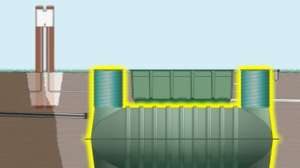
- This one might be obvious but check the depths of each layer in each tank (i.e., sludge judge type analysis). This is important as this will aid in scheduling the frequency of pumping.
- Tanks should be thoroughly analyzed as to their condition. Use best practices to look for cracks and root intrusion. Do not ever enter any tank unless you are OSHA certified and following all OSHA protocol and guidelines, using all necessary safety equipment. By best practices I am referring to some of the newer methods of evaluating tank conditions from the surface when applicable. Determine the condition of the tanks’ physical characteristics. Is there concrete corrosion and if so, how bad? Looking for some of these things will require complete pumping of the tank (cracks, roots, etc.).
- Have an electrician perform an annual inspection of any control panels. This is very important as the analysis of control panels helps not only understand the condition of the panel itself, but on many systems information about the pumps can also be ascertained from information in the panel.
- While there, the electrician (or you) should run amp draw tests on the pumps to make sure they are drawing normal amps. Amps that are not normal while running could indicate an issue with the pump(s) or system.
- Watch how long it takes the pumps to pump down the level in the dose/pump tank. Sometimes if there is an issue in the system the water level might drop very slowly.
- Test alarms. This includes testing any alarm systems that text service providers and the facility maintenance team if there is a high level or loss of power to the system. Larger systems might have real-time tank level analysis if the facility is using dashboard systems such as RIVIO or other similar level detection systems; check these as well.
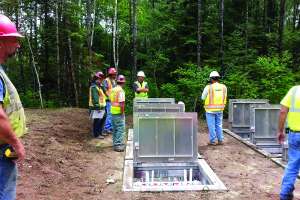
- Check over valves. If valves are in a valve pit, do not enter any valve pit without being OSHA certified and following all required OSHA protocol and guidelines, using required safety equipment. Entering any tanks or pits without following protocol could be lethal.
- Valves should be exercised annually to prevent them from rusting, seizing up and becoming unusable. This includes opening and closing them multiple times and in some cases applying approved lubricant to them.
- If valves are involved: there are many systems that are valved to certain parts of the system at a time, and at regular intervals are changed to dose the water to different soil distribution cells within the system — a method of rotating to give some cells time off. Therefore, it is quite important that at the time of changing the valve settings, you document what the settings were prior to changing them and what the settings are after you change them.
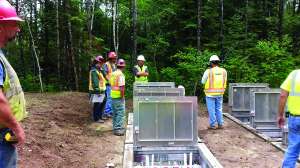
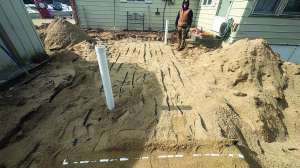
- Walk the soil component. Activate one of the pumps or both and walk the entire soil component area. You want to watch for water surfacing at grade, spraying out of the system or water being somewhere it shouldn’t. No signs of surface discharge is a good thing.
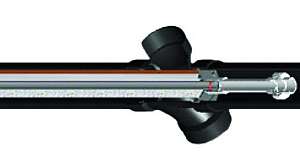
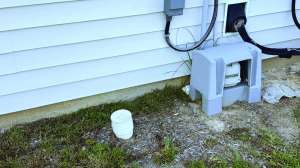
- Look in each and every observation pipe and vent pipe. Measure any water observed and keep a log of which pipes have water, how much and at what location.
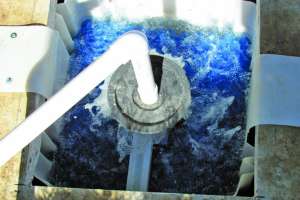
- Some larger systems could have pretreatment units, which is another important reason you should have the plan with you. In some cases the facility might have a separate pretreatment service provider. If not, make certain you are trained by the manufacturer in exactly what you need to look for, and what maintenance or servicing is required for the pretreatment unit.
- After compiling your findings, send a detailed report to the facility owner and manager on the status of what you found. Make sure to include any regulators that require copies of the maintenance and servicing records.
This is a cursory list but larger systems have more requirements as far as maintenance and servicing. As with all systems, the better the servicing and maintenance, the longer the system will last.
About the author
Todd Stair is owner and president of Herr Septic and Sewer, Inc., with over 35 years’ experience designing, installing, repairing, replacing and evaluating septic and mound systems in southeast Wisconsin. He is the author of The Book on Septics and Mounds and a former president of the Wisconsin Onsite Water Recycling Association.
Continue reading for free