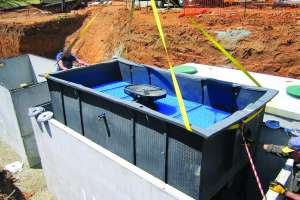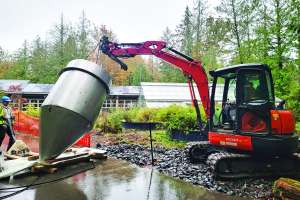
The way industry professionals maintain onsite wastewater treatment systems can directly impact the safety and lives of people living nearby. Ensuring that manhole lids are secure and that the system includes a secondary safety device can protect health and save lives.
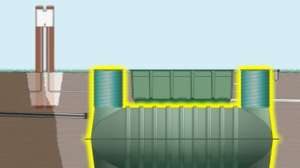
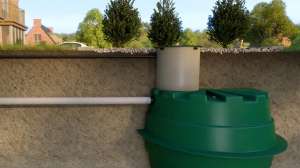
As an industry, having access to components such as septic and pump tanks and ATUs is necessary and facilitated by large-diameter manhole access at grade. Some regulations may still allow septic system manhole lids to be buried with 6 to 12 inches of soil, but the general regulatory trend has been to bring all components needing regular maintenance to grade. Unfortunately, too often a tragedy occurs in a tank when a child falls into the tank because the lid was damaged, not secured or missing. Improperly secured manhole covers, or damaged covers, pose a significant hazard to the public who typically does not understand the risk. A missing lid poses a risk to young people, who may inadvertently fall into the tank due to curiosity or misstep.
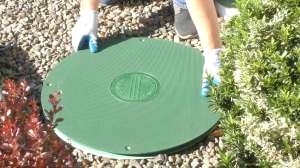
A vast majority of septic system codes and national standards require the lid be secured by:
- Weight (59 or more pounds)
- A twist lock cover which requires special tools for removal
- A hinge and hasp mechanism with corrosion-resistant fastener
- Bolted in base with tamper-resistant (nontypical) bolts or screws
- A lock, possibly a chain and padlock
Material matters
Manhole covers should be constructed of durable noncorrosive material and if exposed at the ground surface, also UV-resistant. Unfortunately, manhole covers typically made of concrete or thermoplastic can be damaged, not properly bolted or secured in place, or not replaced following maintenance. Heavy traffic over the system, landscaper damage, use of improper materials, incorrect installation and inappropriate replacement can all render a situation unsafe.
Taking action
Due to the documented tragedies, Connecticut, Indiana, Kentucky, North Carolina, Texas, and some regional health districts in Michigan now require a secondary safety device under the manhole lid. Starting in September 2024, Oklahoma will require a riser safety screen as well. These requirements apply to septic tanks, ATU trash tanks, ATUs and all pump tanks. These requirements typically only apply to new systems, but installers and service providers should consider adding these to existing systems during repairs or service visits. There is currently no national standard in the U.S. requiring secondary barriers in septic system manholes. This is an item that could potentially be added to ASTM C1227 (concrete) and IAPMO/ANSI Z1000-2019 (concrete, fiber‐reinforced polyester, thermoplastic). As an industry, we should support local and national efforts to prevent tragedies through the addition of a simple, low-cost system component.
In Canada, the CSA Group develops and updates standards for many products including septic and holding tanks. In 2021, CBA B66:21 was updated to require a secondary safety device in all access openings larger than 8 inches. Except for Quebec, the provinces are implementing the requirement across Canada. The CSA B66 standard is cited in several U.S. regulations, including Maine, New Jersey, Oklahoma and Utah.
The secondary safety device is a device used in conjunction with risers as an additional protective measure to prevent accidental entry to septic system manholes. It is placed beneath the primary lid of the riser and provides an added barrier if the riser lid is not properly secured, replaced, damaged or malfunctions. The secondary safety device will prevent people and animals from falling through the lid into tanks. Safety barriers mitigate the danger by providing an added layer of protection against children, pets, and others from accidental or unauthorized access to tanks. It can be covered within a cover on the ground surface, or a device placed in the riser such as a screen or net.
Educate
When installing a new system, making a repair, or doing service work, demonstrate to homeowners how to check tank covers between service visits to make sure lids are in place, screws are securely fastened and there is no cover damage.
If kids are on site, consider showing them what is inside to “take away the mystery,” explaining the risks associated with tank entry (e.g., deep liquid, poisonous gas) and give them respect for the dangerous environment. When working with safety nets and barriers it is important that the septic professional or property owner understands that protection from falling into the tank needs to be 100% of the time. If you walk away from a tank lid to get a tool or part, protection from falling in must be placed before you leave.
Educational materials should be provided to property owners and include safety related information. The NOWRA Onsite Wastewater Treatment System User Guide can be printed out or emailed to customers.
Companies should educate workers as well on the risks associated with unsafe, unsecured or missing lids, and paperwork on site should include clear reminders to check lid security one last time before leaving the site.
If an unsafe lid is observed when doing repairs or service work, it should be repaired or blocked off. Supplies such as safety tape and posts to block off the area should be on all service trucks along with material likely needed for lid repair and replacement. Safety related issues should never be listed as optional repairs. A $50 repair could save a life.
What’s available
There are several great devices available for risk mitigation purposes and regardless of regulations, should be used when installing or repairing systems. Your supplier may have a locally available option or below are national options that could be integrated into new and existing systems.

Infiltrator Safety Star system
A fiberglass-reinforced screen which fits in the uppermost riser stack of Infiltrator 24-inch risers.
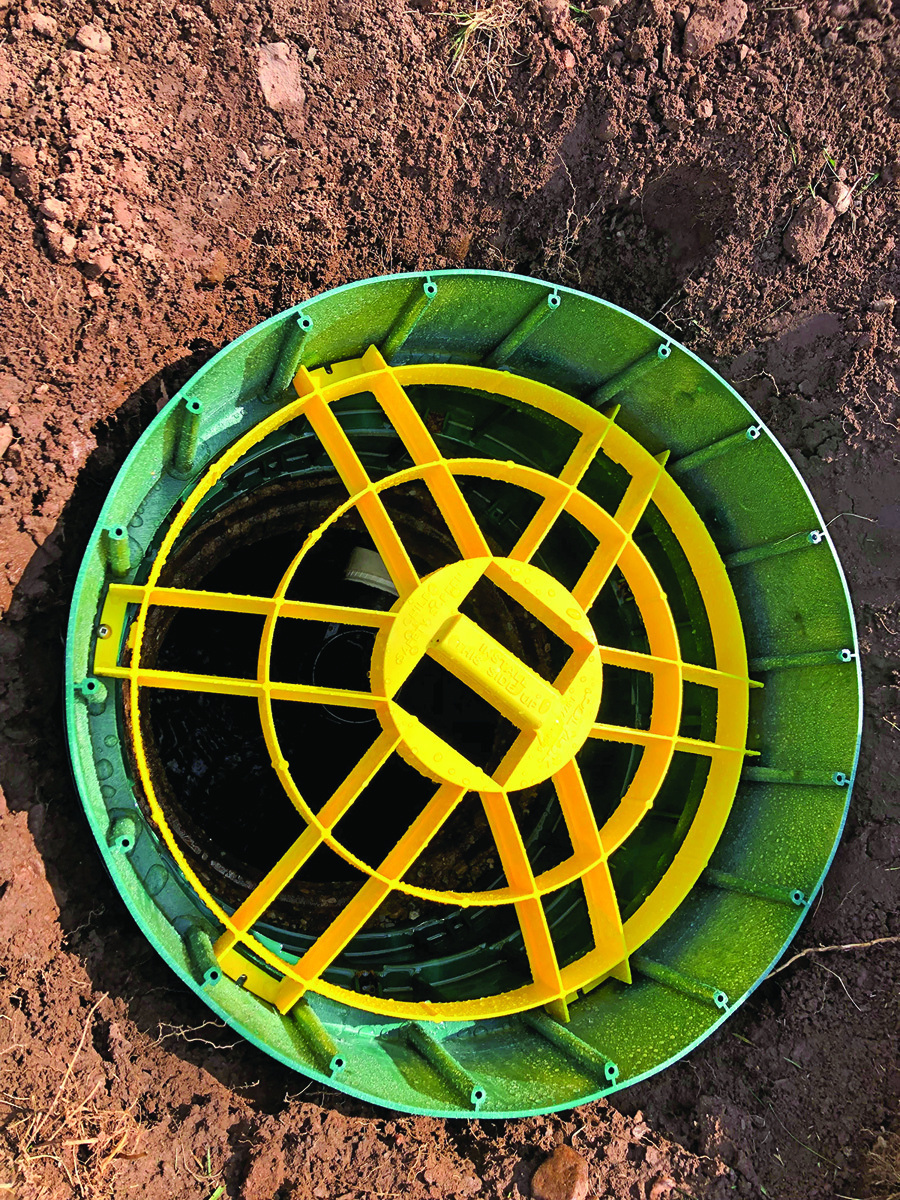
Polylok Safety Screen
A safety screen which is designed to fit into the uppermost rise stack of Polylok risers or with the 24-inch universal unit, it can be placed into PVC ribbed, HDPE corrugated and concrete risers. They also have a riser pan which allows a precast concrete tank manufacturer to pour a 59-pound concrete plug in the riser pan which sits at the base of the tank, which is then finished with a plastic cover.

Norweco Safety Net
A riser safety net made of polyethylene with 316 stainless steel hardware which can be installed in plastic and concrete risers up to 24 inches in diameter.
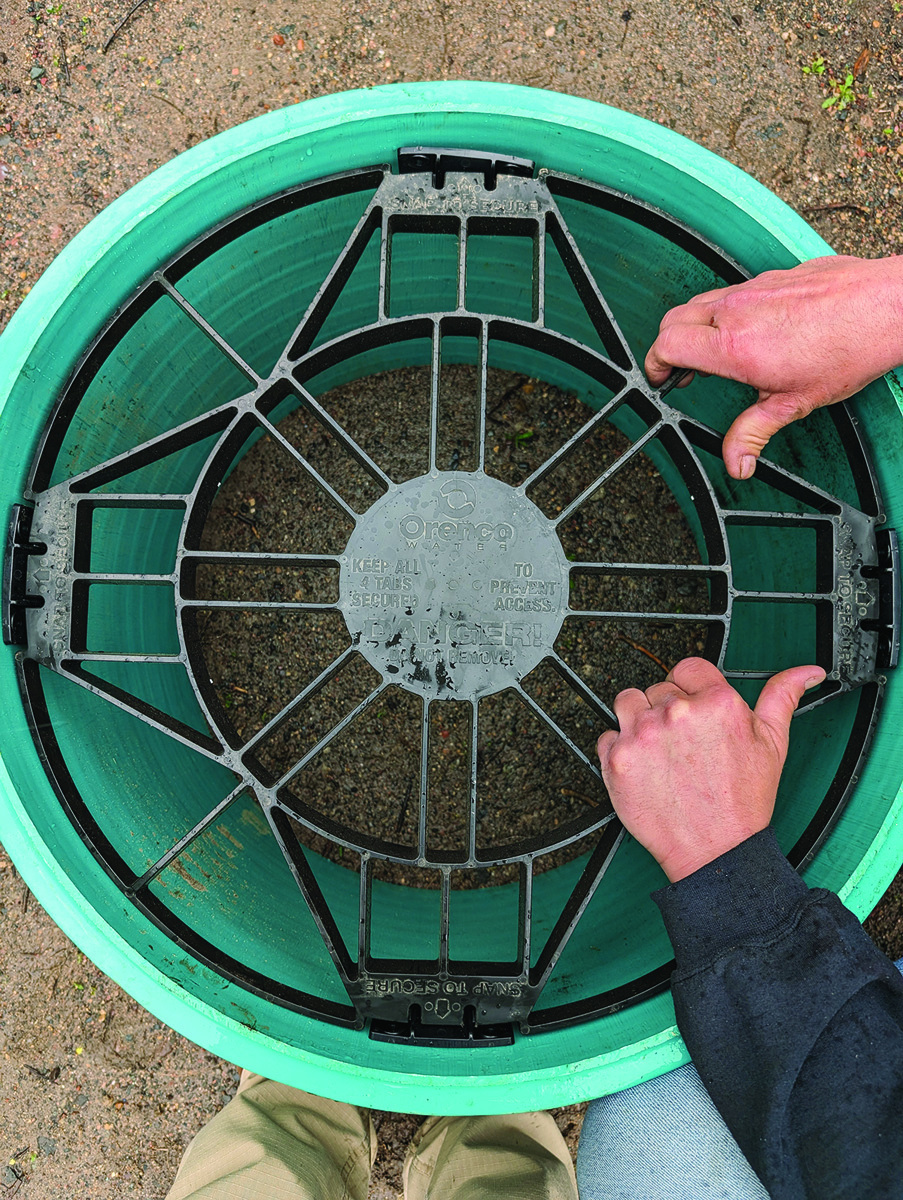
Orenco Tank Shield
A co-polymer polypropylene safety screen compatible with fiberglass-reinforced plastic and PVC-ribbed risers.

Sim/Tech Filter Security Net
Security net made of polypropylene attached with stainless steel eye bolts which can be placed in plastic or concrete risers.
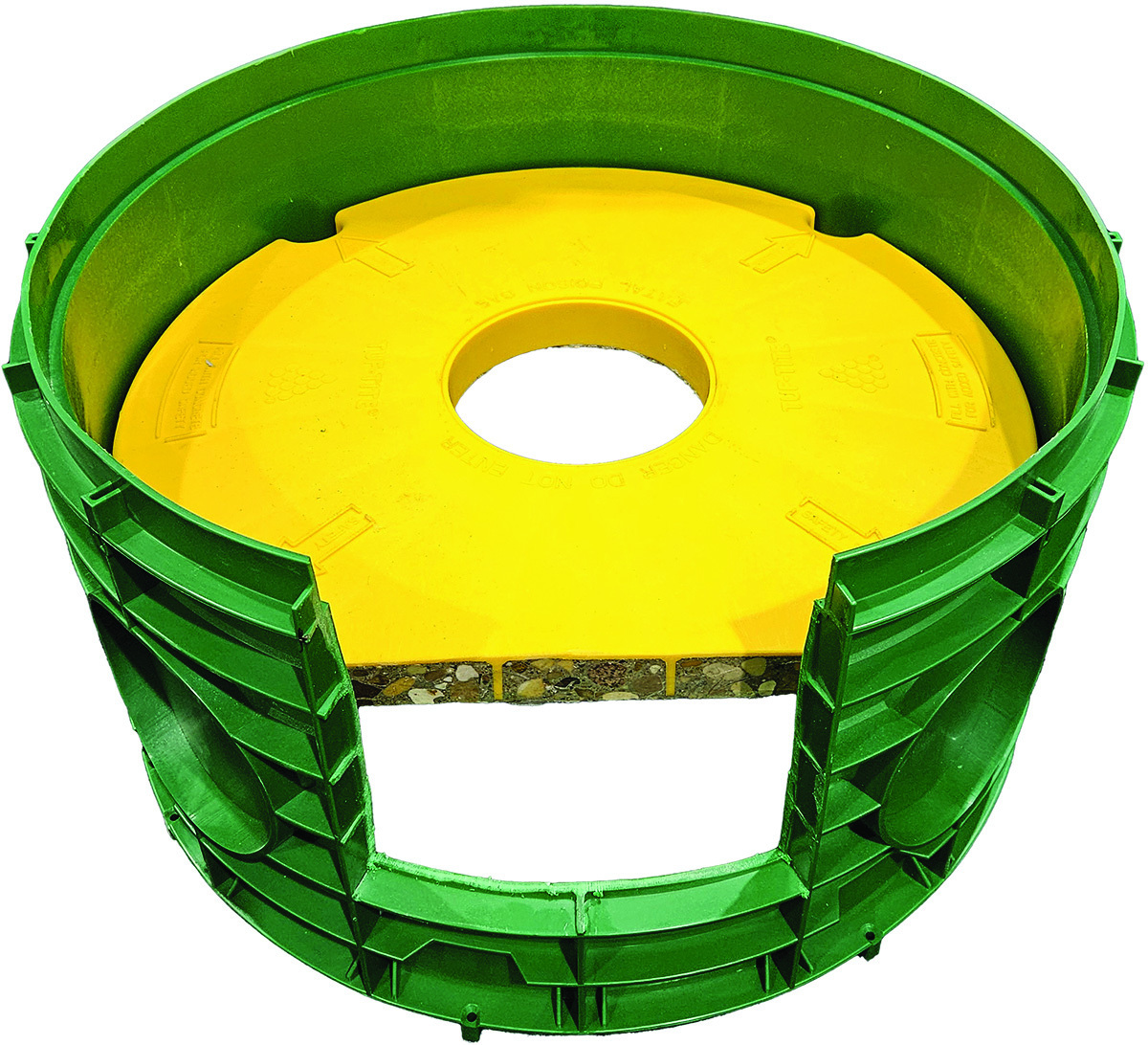
Tuf-Tite Safety Lids
The plastic safety lid is designed to fit within the Tuf-Tite septic tank risers and lids. The safety lid is secured to the riser ledges using four stainless steel safety screws. For added safety, both the riser and safety lids can be filled with concrete.
Continue reading for free