
As a seasoned installer, you’re no stranger to the ongoing debate between gravity and pressure distribution systems. The real question isn’t which method is better — it’s which one is better suited for the specific job.
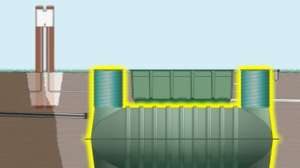
Gravity systems are still the go-to for sites with the right slope and permeability. They offer a simple, low-cost solution with minimal mechanical components. But as we know, gravity’s limitations start to show in sites with poor soil or minimal elevation changes.
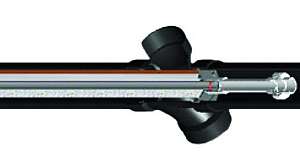
On the flip side, pressure distribution systems give you the flexibility to evenly distribute effluent over difficult terrains, flatter sites, or large dispersal areas. These systems allow for more precise dosing, making them ideal for complex site conditions where even distribution is key. While the upfront cost is higher and the setup is more involved, the control it offers can save time and headaches down the road.
The real challenge isn’t just about preference — it’s about understanding the specific needs of the site. For trickier layouts, a pressure system may be your best ally, but when simplicity and budget are driving the project, gravity could still be the right call. Choosing wisely ensures long-term system reliability, and that’s something your clients will always appreciate.