
Advanced treatment system used for challenging lake site repair
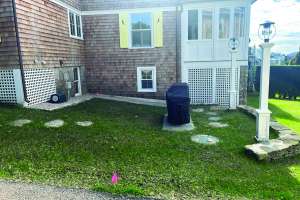
Problem: An existing two-bedroom house built in 1920 on a small island in Oscawana Lake, New York, needed a septic repair. The house was built on piers partially overhanging the lake. A typical system repair permit would not be approved due to site size constraints and a lack of separation from groundwater.
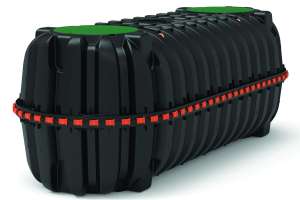
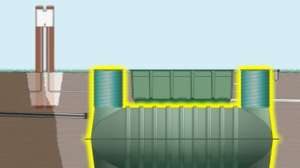
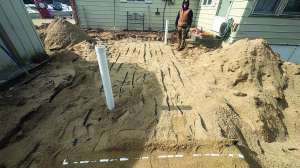
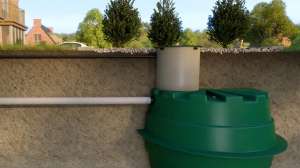
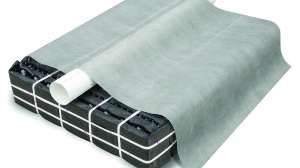
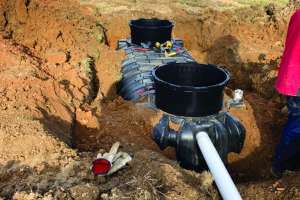
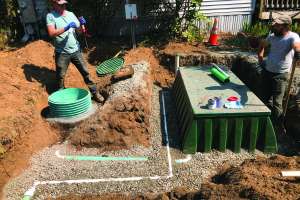
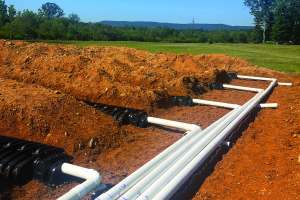
Solution: Pat Tyndall of Tyndall Septic Systems working with Mike Doebbler of Mastromonaco Consulting Engineers were able to design a system using a FujiClean CE5 advanced treatment system and GeoMat 39-inch wide pressure-dosed shallow drainfield. FujiClean’s lightweight single tank aerobic treatment system weighs under 400 pounds. This made transport to the island possible using only a mini-excavator. The system has a small footprint of less than 4 by 8 feet to conserve as much room as possible for the drainfield. “No other system would have worked on this site,” says Tyndall. “The road to the island was made in 1920 and would not withstand the abuse of any heavy equipment.” The FujiClean and field-dosing chamber were installed only two feet into the existing soil. Tanks were backfill covered for ascetics and ground-insulating properties. The GeoMat field consists of four 25-feet long pressure-dosed beds to load the soil with treated effluent as evenly as possible.
Result: Combining the technologies of FujiClean and GeoMat all lake, groundwater, and water-well setbacks were able to be met. The health department issued a permit for repair. The existing dwelling, built by the current owner’s grandfather, was able to be saved and enjoyed by generations to come. 207-406-2927; www.fujicleanusa.com

Onsite system effective on lake property with small setback
Problem: A tiny lot on Hess Lake in Michigan was well within the 100-foot setback normal for properties on the lake. The property needed a new onsite system that would not threaten lake water quality.
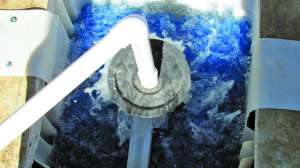
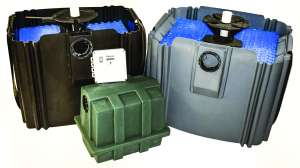
Solution: Newaygo County Health had sufficient experience with SludgeHammer technology to know it would increase the quality of the effluent. They issued a waiver to permit construction of a patio consisting of a large cinderblock box filled with 10 feet deep sand. A 1,500-gallon septic tank was put on one side and an Eljen GSF filter filled the rest, and the patio was covered with an attractive astroturf.
Result: Samples from the tank showed BOD less than 7 mg/L, and total nitrogen of 12 mg/L. A soil lysimeter immediately below showed nondetectable phosphate. The system is protecting the lake even at a setback of only 15 feet. 231-348-5866; www.sludgehammer.net
Continue reading for free