Advanced wastewater solution transforms small town infrastructure
Problem: Camden Point, Missouri, faced significant wastewater management challenges for its 200 households due to outdated septic systems. System failures and overflows created unsanitary conditions, particularly near the local elementary school. The city needed a centralized wastewater solution, but faced obstacles like shallow bedrock, which made a traditional gravity sewer system impractical, and strict budget constraints that demanded an innovative, cost-effective approach.
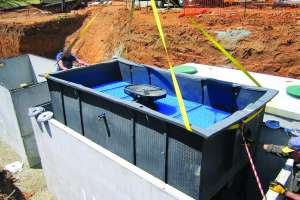
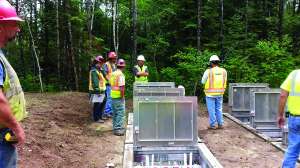
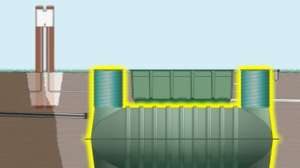
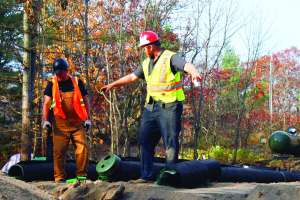
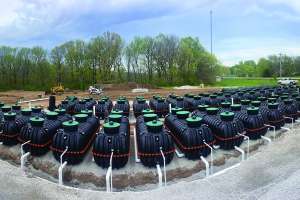
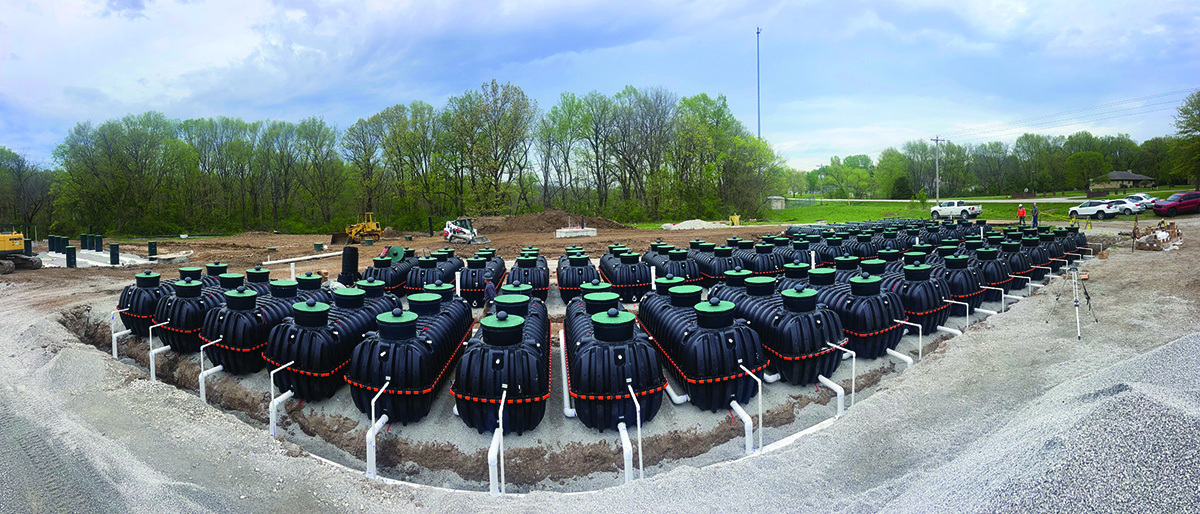
Solution: Anua’s advanced treatment technology was chosen to overcome these challenges. Each household was equipped with a grinder pump and lift station, sending effluent to a centralized wastewater treatment plant. The plant featured a bank of AeroCell IM1530 80/20 recirculating media pods from Anua capable of treating 80,000 gpd, with heaters and blowers to maintain optimal performance year-round. Designed for efficiency, the system requires minimal operation and maintenance, significantly lowering long-term costs for the community. Additionally, the plant was built primarily underground to reduce odors and maintain aesthetic appeal. Trenchless construction methods minimized disruptions during sewer pipe installation, saving time and expense.
Result: Camden Point now benefits from a modern wastewater treatment system that resolves public health concerns, improves sanitation and supports environmental protection. The cost-effective solution not only minimized disruption during installation, but also reduced long-term operation and maintenance expenses, providing ongoing financial relief for the community. Designed with efficiency and sustainability in mind, the new infrastructure positions the city for future growth while serving as a model for small towns facing similar challenges. 336-547-9338; www.anuainternational.com

System enables large golf course development expansion
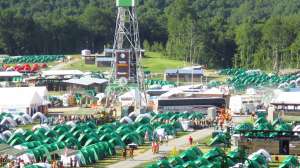
Problem: A developer created an upscale golf course development in the north Georgia Highlands in 2003 which included a 34,000 gpd steel package wastewater treatment plant. The developer ceased operation in 2008, a new owner acquired the plant, naming it McLemore Resort. A 245-room Hilton Hotel overlooking the Blue Ridge Mountains was built along the golf course and approximately 81 homes were constructed. The developer realized the existing plant was not capable of treating the increased volume of wastewater and meeting the effluent quality required for using treated wastewater to irrigate the championship golf course.
Solution: Earthtek Environmental was hired to design and provide the equipment for a new plant that was to be built in phases. The first phase included a 40,000-gallon buried fiberglass primary treatment tank, Earthtek’s signature buried fiberglass 35,000 gpd sequencing batch reactor, a cloth disk filter and UV disinfection. This phase was completed in 2024 and the second phase is currently being readied for construction later this year. The second phase will include another 35,000 gpd buried fiberglass SBR which will double the plant capacity. A future phase 3 will include two more 60,000 gpd buried fiberglass reactors for a total plant capacity of about 190,000 gpd.
Result: All of the plant effluent will be used to irrigate the golf course during the playing months and discharged to a nearby stream during winter months. Effluent limits for the plant are 5 mg/L BOD and TSS, 23/100 mL fecal coliform and 3 NTU turbidity. 800-972-9940; www.earthtek.com
Systems helps make constrained residential lot usable
Problem: A homebuilder was challenged with providing onsite treatment and disposal for a proposed three-bedroom dwelling on St. George Island in Florida where a protected wetland takes up much of the lot and requires a 75-foot setback. The 1-acre lot only had a total available tank and drainfield area of 392 square feet, while only 25 feet separated the property from a neighbor’s irrigation well. A tight triangular area at the corner of the lot was deemed the only logical spot for a treatment system.
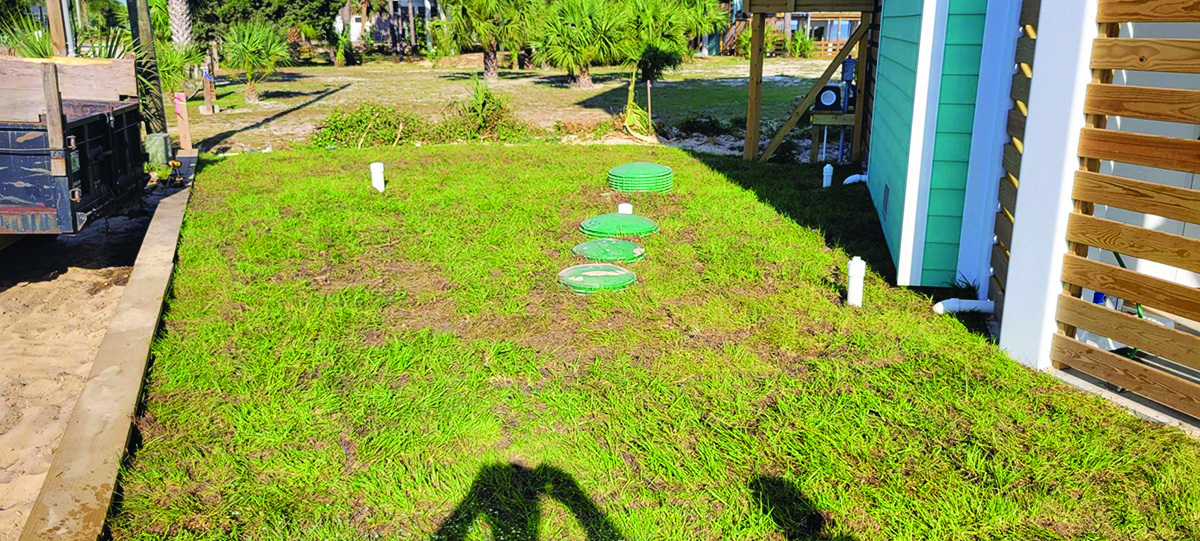
Solution: The onsite installer chose a FujiClean Model CEN5 with a design capacity of 500 gpd. The system is designed to provide high-quality treatment and dripline dispersal for nitrogen removal and drainfield reduction. It offers one-tank treatment, with a 540-gallon pump tank and dripline irrigation field providing 225 square feet minimum dispersal area. At-grade access ports do not detract from the unique dwelling, while a quiet blower (<40 dB) is in sync with the serene surroundings. The lightweight tank (705 pounds) is easy to maneuver into location. One 3/4-inch air line hookup minimizes excavation requirements.
Result: The system fit into the small footprint, allowing construction of the home. 207-406-2927; www.fujicleanusa.com
System increases oxygen levels to avoid effluent surfacing
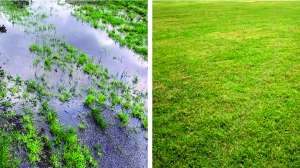
Problem: A health care facility in Old Saybrook, Connecticut, had a long history of septic system performance issues. The system was repaired in 2003 with concrete chambers and began to experience problems within three years of operation, including effluent surfacing that forced the facility’s operators to pump the tank and chambers approximately three times per week.
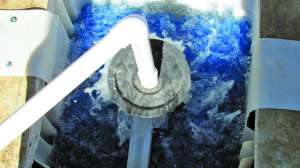
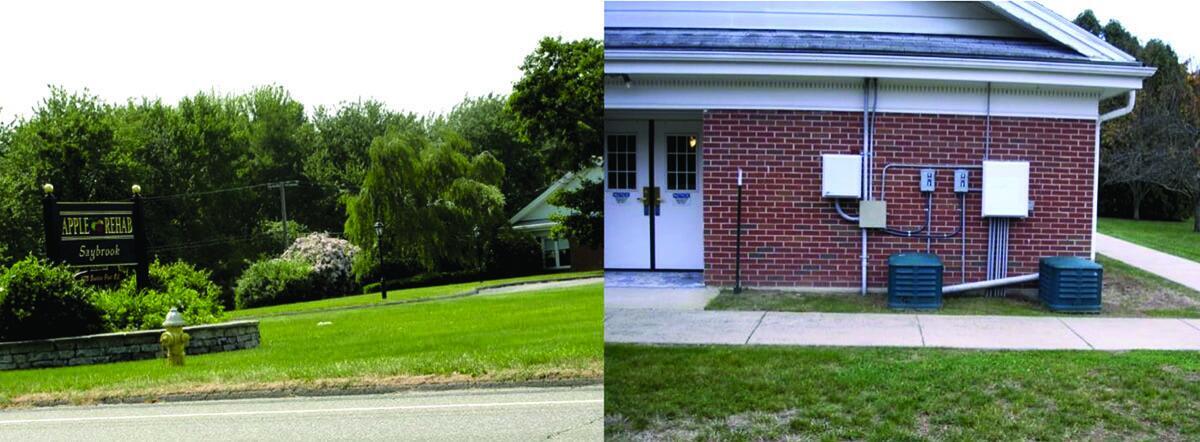
Solution: All potential solutions were considered, including system replacement and the addition of a tank-based aerobic treatment unit. The most cost-effective solution was to add Geomatrix’s SoilAir to the existing chambers. SoilAir increases oxygen levels to sufficiently aid in the effluent treatment process and is efficient to install and operate. In 2009, a SoilAir system was added to the existing chamber system to increase oxygen levels within the leachfield.
Result: Before the addition of SoilAir, 100% of the system was in use; after introducing air, use has fallen to 25% and the system has not experienced any septic issues in the last decade. The system is monitored through a logic-based control system designed to react to issues before they become problems. Using SoilAir without excavation of the chambers allowed the owners to adopt a normal pumping schedule, removing the scum and sludge from the tank as needed. 860-510-0730; www.geomatrixsystems.com
Aeration units power retrofit of a campground’s commercial system
Problem: Sandy Shores’ Campground — located in an environmentally sensitive area on the shores of Lake Michigan — was looking for a solution to reduce operating and maintenance costs while rehabilitating the campground/RV park’s septic system infrastructure and disposal field.
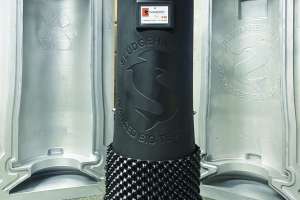
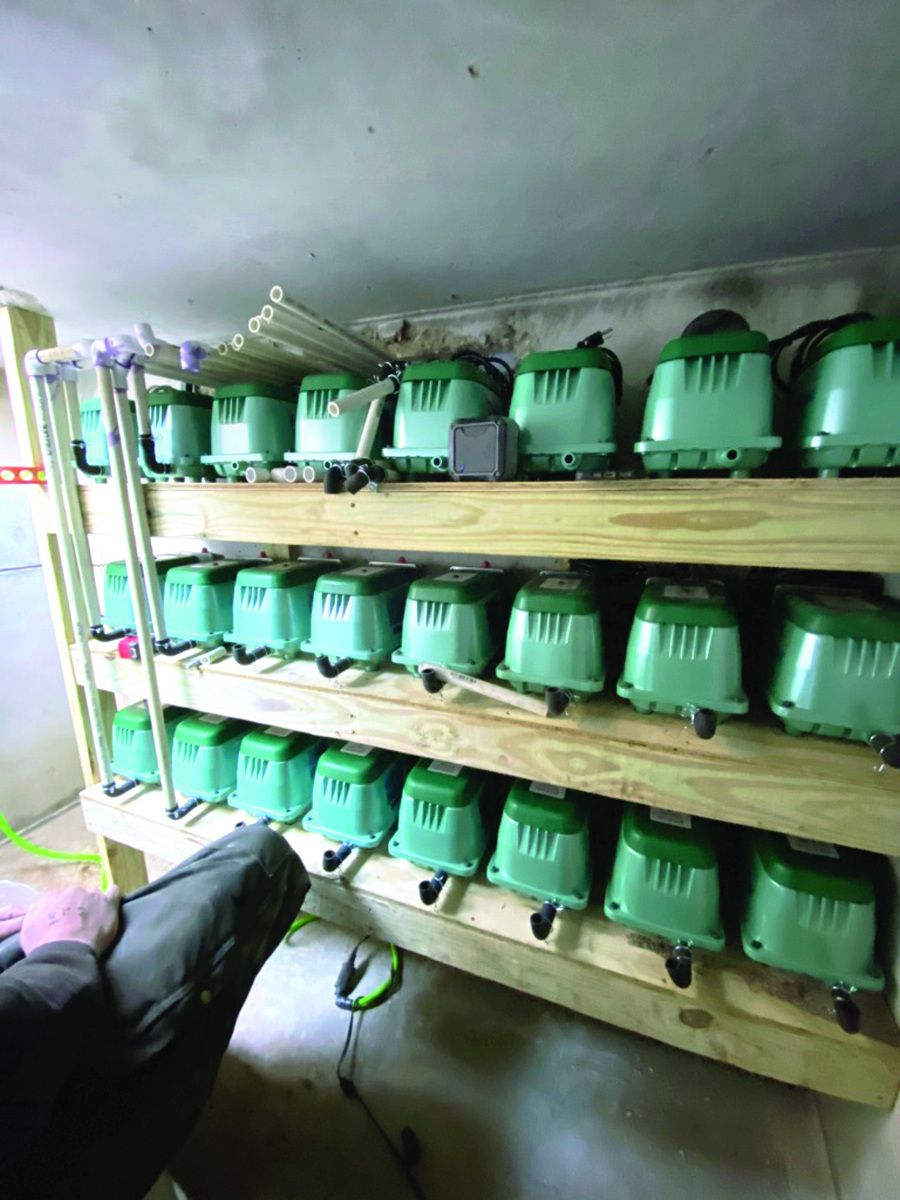
Solution: SludgeHammer designed a retrofittable system using 12 S-86 ABG Units with 12 Medusa supplemental air diffusers, converting the campground’s existing septic infrastructure into an advanced aerobic treatment plant. Twenty-four HIBLOW HP-80 units — stored in a vented 1,000-gallon concrete tank — were installed providing 24/7, 365-day quiet and energy-efficient aeration. The manifold air pump design ensures continuous air flow even during regular maintenance of the air pumps.
Result: The retrofit installation allowed the campground to stay within its budget while improving the quality of the effluent wastewater by reducing BOD/TSS/TN substantially. The commercial system will reduce conventional maintenance protocols while increasing the life of the drainfields. 734-944-5032; www.hiblow-usa.com
Extended aeration package plant meets expanded permit parameters for regional airport
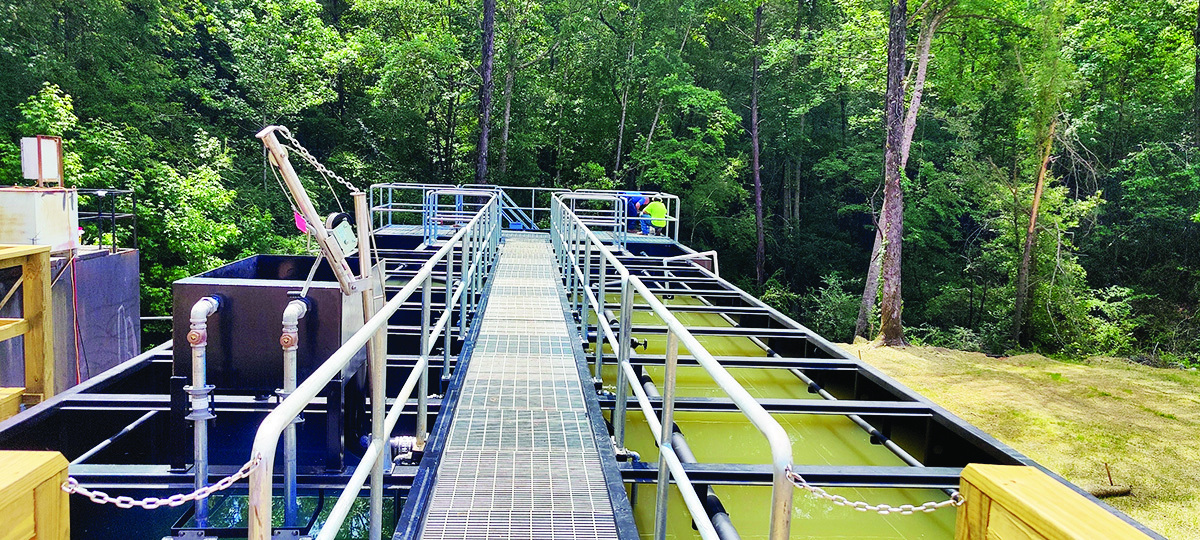
Problem: The Hattiesburg Laurel Regional Airport Authority in Mississippi had an undersized 20,000 gpd wastewater treatment system that serviced the airport and local business park, with treated effluent discharging to a Pascagoula River Basin tributary. When the authority applied for a permit to increase flow to 50,000 gpd, the state imposed stringent parameters for BOD, dissolved oxygen, total ammonia and nutrient monitoring.
Solution: The extended aeration ENVIRO-AIRE package treatment plant from Infiltrator Water Technologies meets the 50,000 gpd requirement and NPDES parameters and allows efficient BOD and ammonia reduction and extensive operator control. Effluent gravity flows to a lift station that pumps it to the treatment plant, followed by a flow equalization tank with duplex alternating pumps and an easily adjusted pump timer to accommodate fluctuating flows. The pumps move the water into a flow proportioning box with an adjustable weir. Overflow returns to the flow equalization chamber and standard flow travels to the aeration basin for 24 hours retention. Next in the hopper clarifier, solids settle and clarified water flows to the tertiary sand filter. The return activated sludge line recirculates mature microbiology back to the aeration basin for seeding and clarified water moves to the sand filter, followed by a disinfection chamber, and a dechlorinator. Finally, water enters a postaeration chamber before discharge to the tributary.
Result: The owner wanted assurance the system could meet permit parameters under fluctuating conditions, and the robust treatment scheme ensures the receiving water body is not negatively impacted by higher flows of wastewater, protecting the local environment. 800-221-4436; www.infiltratorwater.com
Pretreatment system used for high FOG wastewater
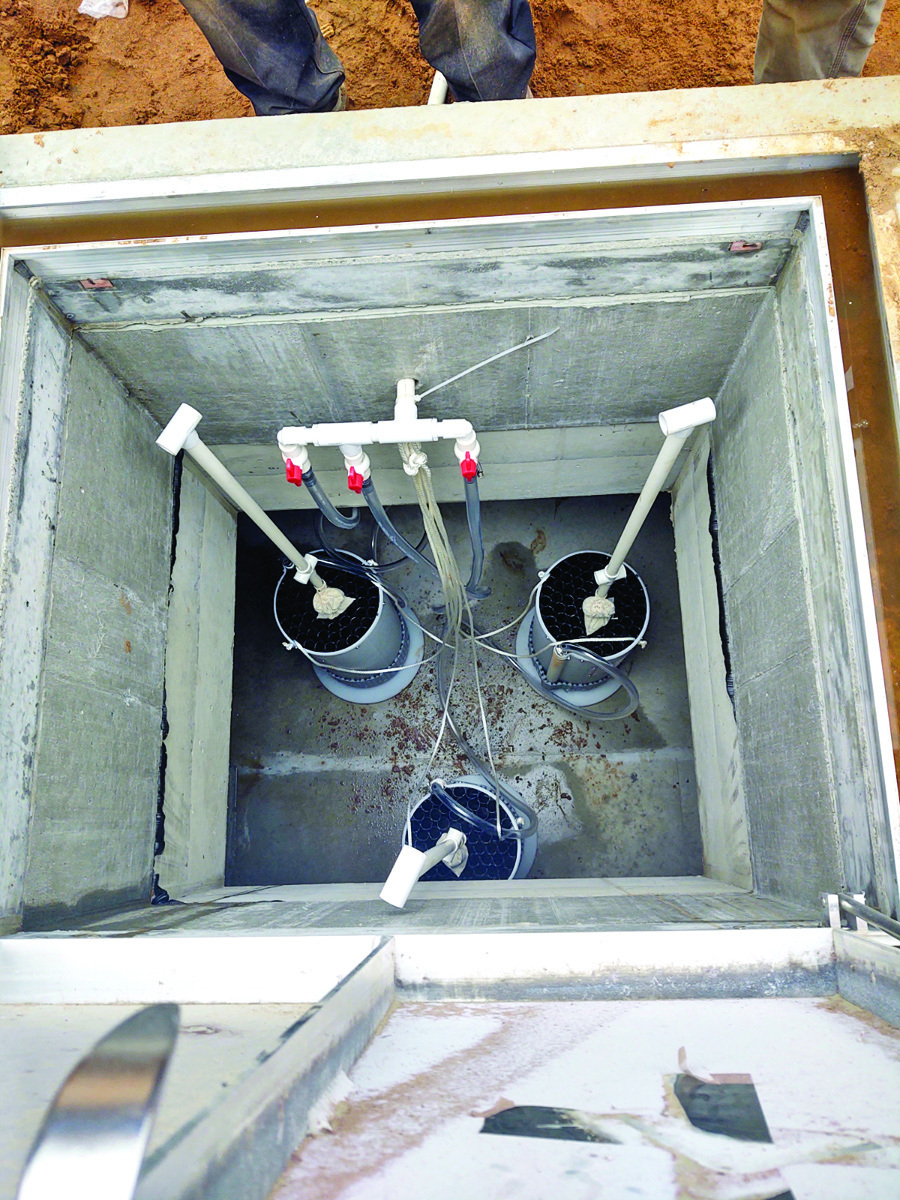
Problem: The Cottage Hotel is a historic tavern and restaurant in Mendon, New York. The one-third-acre parcel presents major challenges for a septic system as space at the site is mostly limited to the footprint of the buildings and parking. Wastewater is treated and then discharged into a nearby stream. Pretreatment had historically been accomplished through an aerobic treatment unit with polishing through a single-pass sand filter with SPDES-permitted surface discharge. Although the ATU and sand filter are good treatment technologies, at this particular site, the fats, oils and greases generated from the kitchen waste were too much for the system to handle, causing the sand filter to clog routinely. Regulatory authorities mandated the failing system be upgraded to be better suited for handling the high-strength of commercial wastewater.
Solution: The owner hired Onsite Engineering to design a commercial septic system to handle the high-strength restaurant wastewater and treat it to the high level needed for a permitted surface water discharge. The redesigned system uses the White Knight Microbial Inoculator Generator from Knight Treatment Systems. The system inoculates and pretreats the wastewater with select bacteria that aggressively digest the FOG and other organic constituents prior to passing through the rebuilt single pass sand filter.
Result: The system has been working well since its 2017 installation. 800-560-2454; www.knighttreatment.com

Treatment solution found for floating container community
Problem: Chevron needed scores of workers in Louisiana to rebuild the oil platforms destroyed by Hurricane Katrina, but due to the storm, there was a housing shortage. Chevron asked SludgeHammer, “Can you build a system on a barge supporting a container community for 120 people?” “Yes,” was the answer. Next question – “Can you do it in two weeks?”
Solution: SludgeHammer was able to outfit the original community, but due to the tight timeframe, the units went into operation on the deck of the barge. When Bibby Marine, an operations vessel company, later called and asked for a second 800-person container community, SludgeHammer jumped at the chance to do it like they wanted to. The 600-foot barge consists of sections that are 90 feet by 20 feet and 20 feet high. In three sections, SludgeHammer units were lowered through two 18-inch manholes with all the necessary airline piping. Operating at a depth of 12 feet, 42 SludgeHammer ABG units provided treatment of 60,000 gpd. Pumps moved liquid from tank to tank with the final effluent heading out through a filter bank and large 12-bulb UV system for disinfection.
Result: Sampling showed BODs of less than 10 mg/L and nondetectable fecal coliform, so Bibby Marine was able to discharge in port and avoid the cost of using a pump barge every week to haul raw waste. 231-348-5866; www.sludgehammer.net

Pretreating high-strength waste at orchard and winery
Problem: After one year of monitoring by the local county health department and the State Department of Health, it was determined that the waste strength loading was too high at Huber’s Orchard and Winery in Starlight, Indiana. A new mound system and an additional pretreatment system was needed to lower the waste strength prior to discharge to the mounds.
Solution: Zoeller Pump Company offered design assistance and components for a new wastewater treatment system. The company recommended a recirculating media filter treatment system installed between existing septic tanks and the mound system. RMF treatment systems are similar to recirculating sand filters with the main difference being the size of the treatment media, which is typically 3/8-inch diameter pea gravel instead of sand media. A local engineer designed the new RMF at 4,000 gpd using a waste strength of approximately 700 mg/L BOD5, which required a 30-by-30-foot RMF. Commissioning of the RMF was done in October 2019.
Result: After one month, the new RMF was treating wastewater efficiently, meeting the objective of effectively pretreating effluent prior to discharge to the mound system. Samples collected averaged 10.5 mg/L BOD5 and 2.3 mg/L TSS. 502-778-2731; www.zoellerpumps.com
Continue reading for free