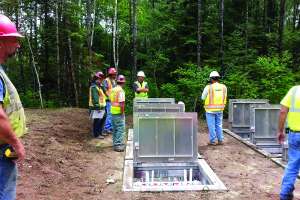

“Culture of safety” is a phrase that gets used a lot.
For a lot of companies, that term is a reality — safety is paramount and deeply embedded in every part of the work they do. A dedicated safety manager puts together a job hazard analysis before every job, workers are trained monthly on best practices and reminded daily to wear personal protective equipment, and work halts if even the slightest risk becomes apparent.
For others, safety might be given more lip service than actual practice.
A lot of companies probably fall somewhere in between. Safety is important to most companies. Keeping workers safe means productivity and profits, while injuries and accidents mean paperwork and downtime, or even fines from OSHA.
But adhering to safety rules when it suits you and having those rules permeate every part of your work environment are two different things. Safety training shouldn’t just be required for new employees or restricted to monthly meetings. Training should be constant and ongoing in order to truly achieve that culture of safety.
June is National Safety Month, promoted by the National Safety Council, a nonprofit safety advocate that focuses on saving lives and preventing injuries in the workplace and beyond.
Ongoing training is the best way to keep your employees safe on the job and immersed in a true culture of safety.
Below, review these articles on safety previously featured on our website.
Be Mindful of These 2026 OSHA Safety Deadlines
Turning the Corner on Safety Practices in the Onsite Industry
How to Identify Safety Risks Before They Become Injuries
Hard Hats with Heart Addresses the Safety Issue Many Learn About the Hard Way
National Safe Digging Month Highlights Important Job Site Reminders
Gear That Keeps You Safe, Dry and Visible in Wet Conditions
Health Risks of Wearing Too Much Cold-Weather Gear
Why Mental Health Is the New Frontier in Job Safety
Normalizing Deviant Safety Practices Is an Accident Waiting To Happen
The Many Benefits of Ergonomic Tools
Staying Prepared for an OSHA Job Site Visit
5 Ways to Shake Up Your Safety Training
Electrical Hazards to Watch for During Septic Repair and Installation
Continue reading for free