Flow measurement is a missing link in determining why septic systems may fail. Do we really know the flow entering a septic tank? Do we really know a way to document when a septic system is in a state of hydraulic overload?
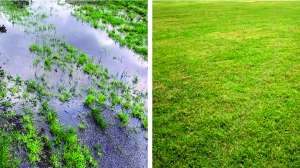
Daily flow can exceed the design capacity of the system, resulting in frequent backups or puddling of sewage on the surface. Is the guess of daily sewage flow based on an engineer’s prescription? Or is it based on the number of bedrooms or, in the case of a restaurant, the number of seats?
Onsite codes in each state adopt a value for daily sewage flow. However, the value differs from state to state. Two state agencies may disagree on the estimated value for the same size house. Is the value accurate enough to constitute reasoning? Or could a misdiagnosis of the estimated sewage flow affect system design?
Need for design
A poorly designed system can lead to premature failure. Water usage records are an acceptable way to calculate average daily flow where septic systems have been repaired. This method may indicate whether hydraulic overloading has occurred and whether this condition is an ongoing issue in the system’s performance.
At present, the only way to calculate water flow to the septic system is to subtract the water used for filling the swimming pool or forirrigating the yard from the total mass flow.
When a building served by an onsite system is not connected to a water meter, there is no way to verify above-normal flow. If in-line flow meters are used on drinking water systems, they also should be available for private water systems serving homes or businesses. Such a flow meter would register the mass flow used.
The mass flow includes usage from showers, bathrooms, toilet flushes, tooth brushing, dishwashing, laundry and other uses. Lawn watering and other outdoor uses are also part of the mass flow equation. As one septic tank contractor commented, “There would be no basis for an argument from the homeowner about water usage anymore,” if water usage were metered.
Break in the line?
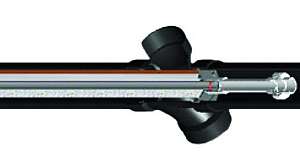
Let’s take that thought to the next level. Can we specifically measure sewage flow in a gravity sewer line? Infiltration, inflow and exfiltration can affect flow. Often these conditions are not considered when a septic system is sized. When there is a break in the sewer line, or if the sewer cleanout cap is missing, that can affect the flow entering a septic tank. So, do we really know the sewage flow of any system?
It should be possible to measure the flow of a single waste stream directly, without comparing the mass flow from water used for filling the swimming pool or for irrigating the yard.
The ability to meter sewage flow would benefit septic system utilities and septic tank contractors who manage onsite programs. Metered sewage flow should not be a mandate for every system in use. Instead, it should be available as a way to monitor systems where hydraulic overloading is suspected.
When that metering documents overloading, alternative measures to conserve water could be recommended to correct the problem. The system user should be advised that flow measurement can benefit the overall management of system performance. Homeowners should be able to monitor daily sewage flow accurately.
Albert Royster is an environmental specialist with Volusia County Health Department, Deland, Fla. He can be reached at albert_royster@doh.state.fl.us.
Continue reading for free