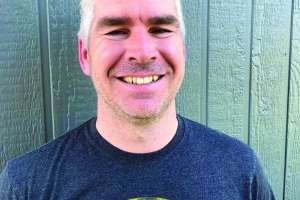

Name and title: Joe Henry, owner
Business name and location: Kingfish Pumping Inc., Carleton Place, Ontario.
Services we offer: Pumping septic and holding tanks and completing small repairs, such as installing risers and changing filters.
Age: 44
Years in the industry: I was in Switzerland for about seven years, but when I moved back to Canada in 2008, I took over the business from my father. He had bought it in the 1990s from the original owner. The company’s been around a long time, but we honestly don’t know when it was actually started.
Association involvement: I’ve been a member of the Ontario Association of Sewage Industry Services since I took over the business, and my father was a member before that. I served on the board of directors for about 10 years and just stepped down last February.
Benefits of belonging to the association: The big thing is learning about the new regulations and laws dealing with our industry. Another is networking and learning from other people, just chatting in an informal way with people who maybe aren’t your competitors. And what’s becoming especially important of late is training and certification as rules and regulations change. We have a conference once a year and occasionally regional meetings.
Biggest issue facing your association right now: The big concern is the rules and regulations for disposal. A number of years ago Ontario wanted to ban landspreading but the problem is there are just not enough treatment plants. So, it’s still allowed but the rules and regulations change every so often. OASIS and the Ministry of the Environment have done a good job of communicating over the last number of years on this issue. Usually the Ministry sends a few officials to our annual meeting and they do a presentation on what’s new and have a question-and-answer session.
Another issue for the association is making sure members get involved as it benefits everyone, helps create a community atmosphere and gives more weight to the industry’s voice.
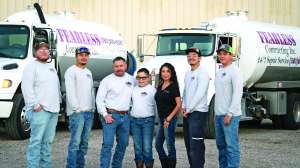
Our crew includes: My sister, Becky Henry, works in the office. And Greg Scott works out in the field with me.
Typical day on the job: It depends on the time of year because it’s very seasonal. Our busy time is spring to about November. I’m usually on the go by around 7 or 8 a.m., working in the field. If it’s a busy day, I am in the truck all day. Normally I look after installing risers if scheduled. On slower days I do some book work or call customers who have questions. Winters are slow, but that’s OK. Greg keeps going but not 40 hours a week. I’m in the office more, or fixing the truck. Or I’ll go out and make maple syrup and run the office from the sugar shack. That’s also when my wife and I might visit her family in Switzerland.
The job I’ll never forget: We did a job where, as far as I could tell, the tank had never been pumped and had backed up. It was so solid you could see where the water ran across the top of the solids and out the other side. You could stand on it. It took me over an hour to pump it. I didn’t have water on the truck because I didn’t know what I was running into. I couldn’t backwash anything. It was basically like sucking earth.
My favorite piece of equipment: My phone. It allows me to run the office from anywhere. Since I took over from my parents, I moved almost everything online, although we do have an office and Becky does her work from there.
Most challenging site I’ve worked on: We occasionally run into the situation where a customer has built something over their tank, like a deck or, in one case, a house. People know the tanks are there, they just figure all you have to do is throw a hose in them. But we’ve gotten wiser now and just tell people no, more often than not. We can’t work properly or be sure we really got the tank pumped out right. We used to do it and you’d literally have to crawl under the deck on your belly. After throwing my back out a few times trying to lift the old cement lids, I said enough of that.
Oops, this didn’t work out as planned: In 2011 I bought a truck I wish I hadn’t. The engine was fine but we’ve had nothing but problems with the emissions equipment. The filter keeps getting plugged up. The first five years it ran great but since then it’s been a money pit. I’ve been told all the trucks from that year were not very good. The technology from then just wasn’t good, but it seems to be better now. That truck is going to disappear this year.
The craziest question or comment from a customer: We hear the one that everyone hears — “You never need to pump a tank if it’s working.”
If I could change one industry regulation, it would be: One is the half-load weight restrictions we have. From March to May you can only take half loads on your truck to protect the roads. Emergency vehicles are exempt and I’d like to see septic trucks in that category. It’s a service people need and you can’t postpone emergency pumpouts. And you’re already over the half-load limit with one holding tank. The other regulation I’d like to change is on landspreading. It’s only allowed from May until fall but I’d like to see it be based on actual weather and field conditions, not arbitrary dates.
Best piece of small business advice I’ve heard: It’s OK to fire a customer. Some just aren’t worth it.
If I wasn’t working in the wastewater industry, I would: I enjoy traveling and history. I’m a curious person and like doing different things all the time. I’ve had all kinds of jobs since I was a teenager. Prior to taking over from my father, I worked in purchasing and on prototyping projects in the medical device industry. Learning something new is my big thing.
Crystal ball time – This is my outlook for the wastewater industry: The big issue is finding good employees. I don’t think that’s going to get easier. I have a feeling a lot of the smaller businesses will get replaced by bigger companies, especially as it gets harder to find people in the younger generation to take over. And also, with all the regulations, it’s tough for small businesses to stay on top of everything.
Continue reading for free